Open the graphics settings of a modern game and you will meet RTX, ray tracing, path tracing and Lumen. They get thrown into one pile all the time, although these are four different things, and one of them is not a technology at all.
- RTX is not a technology
- Ray tracing: a hybrid, not full honesty
- Metro, which did it before anyone else
- Path tracing: when everything is traced
- Lumen: the third way, from Unreal Engine
- Can Radeon do ray tracing
- Where it is done exceptionally well
- Where turning it on makes little sense
- What to turn on, specifically for you
Here is what separates them, what they cost in frames, how much of it Radeon can handle, and two lists of games: where tracing is done exceptionally well, and where you can leave it off.
RTX is not a technology
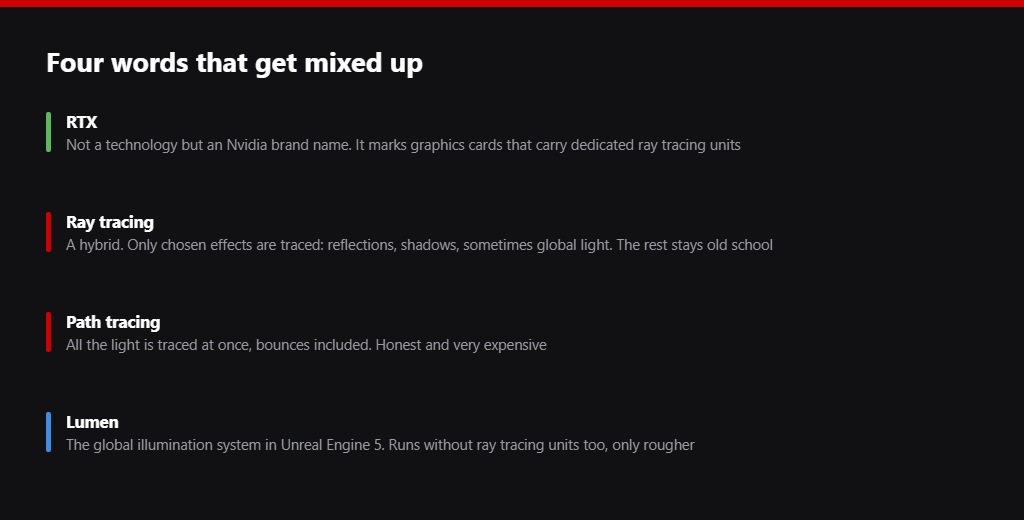
Start with the biggest mix-up. RTX is an Nvidia brand name, not a way of calculating light. It is what Nvidia calls graphics cards that carry dedicated units for accelerating ray tracing.
The tracing itself runs through DirectX Raytracing, a standard that belongs to everyone. Radeon and Intel Arc do exactly the same thing, they just do not call it RTX. So the phrase "this game has RTX" means nothing more than "this game has ray tracing".
Ray tracing: a hybrid, not full honesty
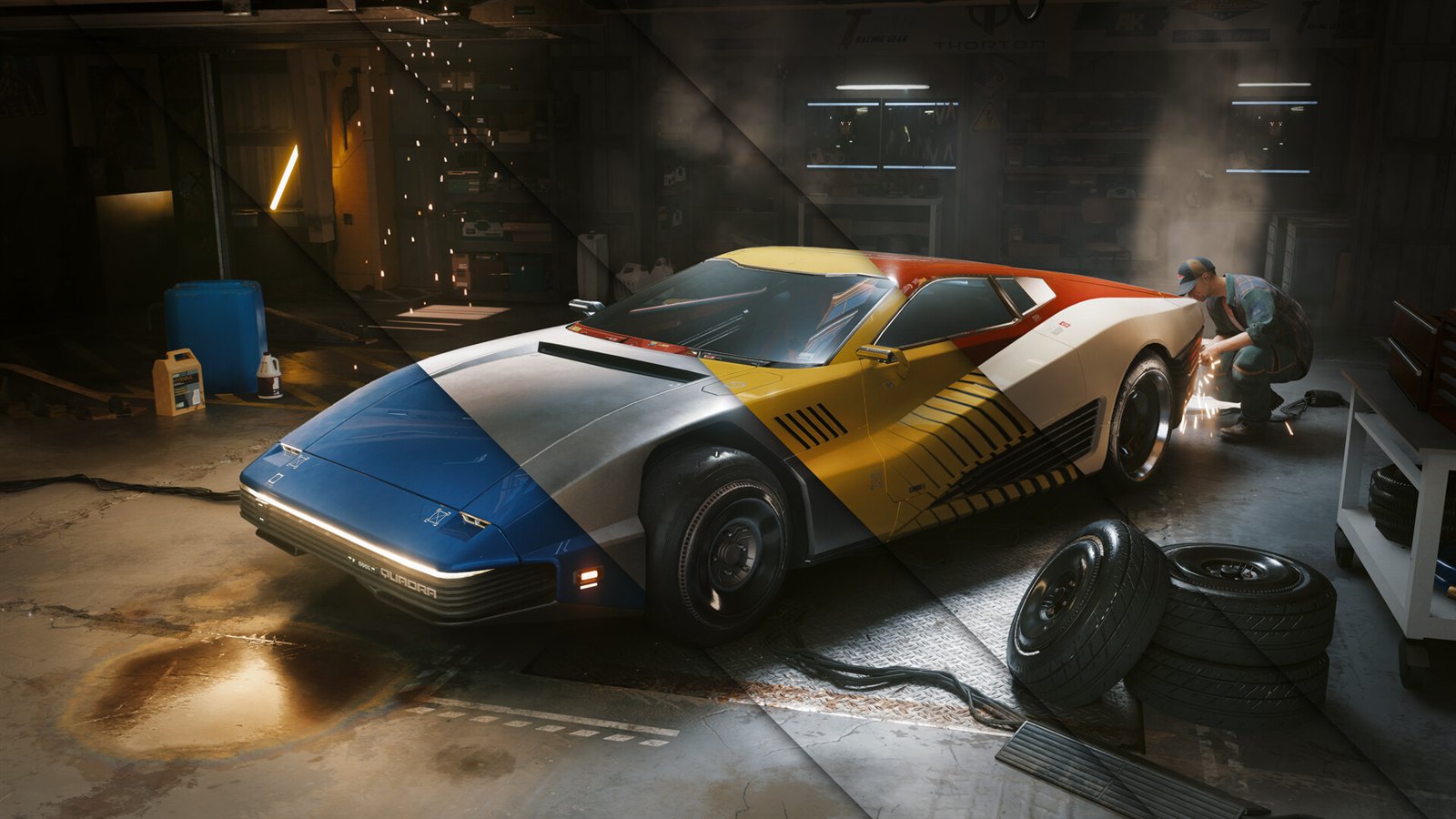
Classic rendering does not calculate light. It draws surfaces and mixes in shadows and reflections that were baked in advance. It is fast, and it lies constantly: a puddle reflects something other than what is next to it, and an object casts no shadow where it should.
Ray tracing follows the path of light for real, but usually not for the whole picture. The developer picks where to spend the rays: on reflections, on shadows, on global illumination. Everything else stays on the old methods. That is where the word hybrid comes from.
It is a compromise, and whether you notice the difference depends entirely on which effect they chose. Reflections in a wet city street jump out at you. Refined shadows under a bush will pass most people by.
Where hybrid tracing gives a lot
- Control. Reflections in glass and concrete plus bounced light. Still one of the best showcases, and the game is no longer young.
- Metro Exodus Enhanced Edition. A case of its own, more on it below.
- Resident Evil 4 and Village. Careful and unhurried: the rays go on things you actually see.
- Ratchet and Clank: Rift Apart. Reflections in gloss and water, and the frame rate holds up.
- Spider-Man 2. A city made of glass is the perfect case for reflections, and it is honestly done.
Where you can leave it off
- Far Cry 6. The reflections and shadows are there, you have to hunt for the difference, and the frames are gone.
- Shadow of the Tomb Raider. Shadows only. Historical value yes, practical value not much.
- Battlefield V. The first loud showcase for tracing and the first example of how expensive an effect can be when you only see it in puddles.
- Callisto Protocol. Heavy and barely noticeable.
Metro, which did it before anyone else
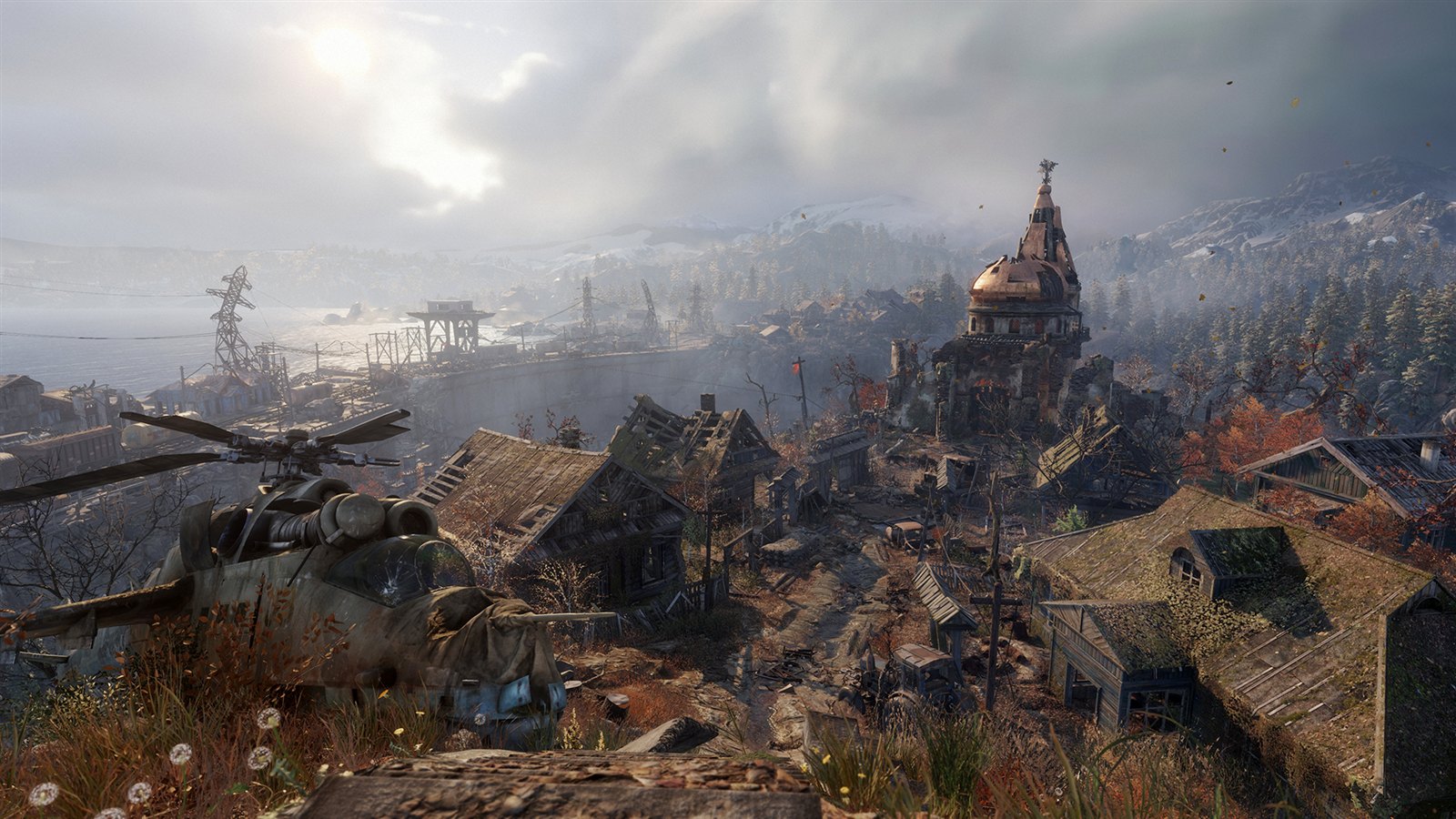
Metro Exodus Enhanced Edition, released in 2021, deserves its own section. And straight away a clarification, because the confusion here never stops: this is not a patch to the game, it is a separate edition.
Ordinary Metro Exodus has not gone anywhere and runs without any rays at all. Its minimum requirements still list a GeForce GTX 670 and a Radeon HD 7870, cards that have never heard of tracing. Rays did arrive in the game back in 2019, but as a separate line in the settings that you can simply leave alone.
The Enhanced Edition is a second, standalone version. Owners of the game got it for free and it sits in the library as its own entry, with its own icon and its own requirements. And that one refuses to launch on graphics cards without ray tracing units: its minimum spec says in plain text that you need a GeForce RTX or a Radeon RX. The first big game to be that honest and that radical.
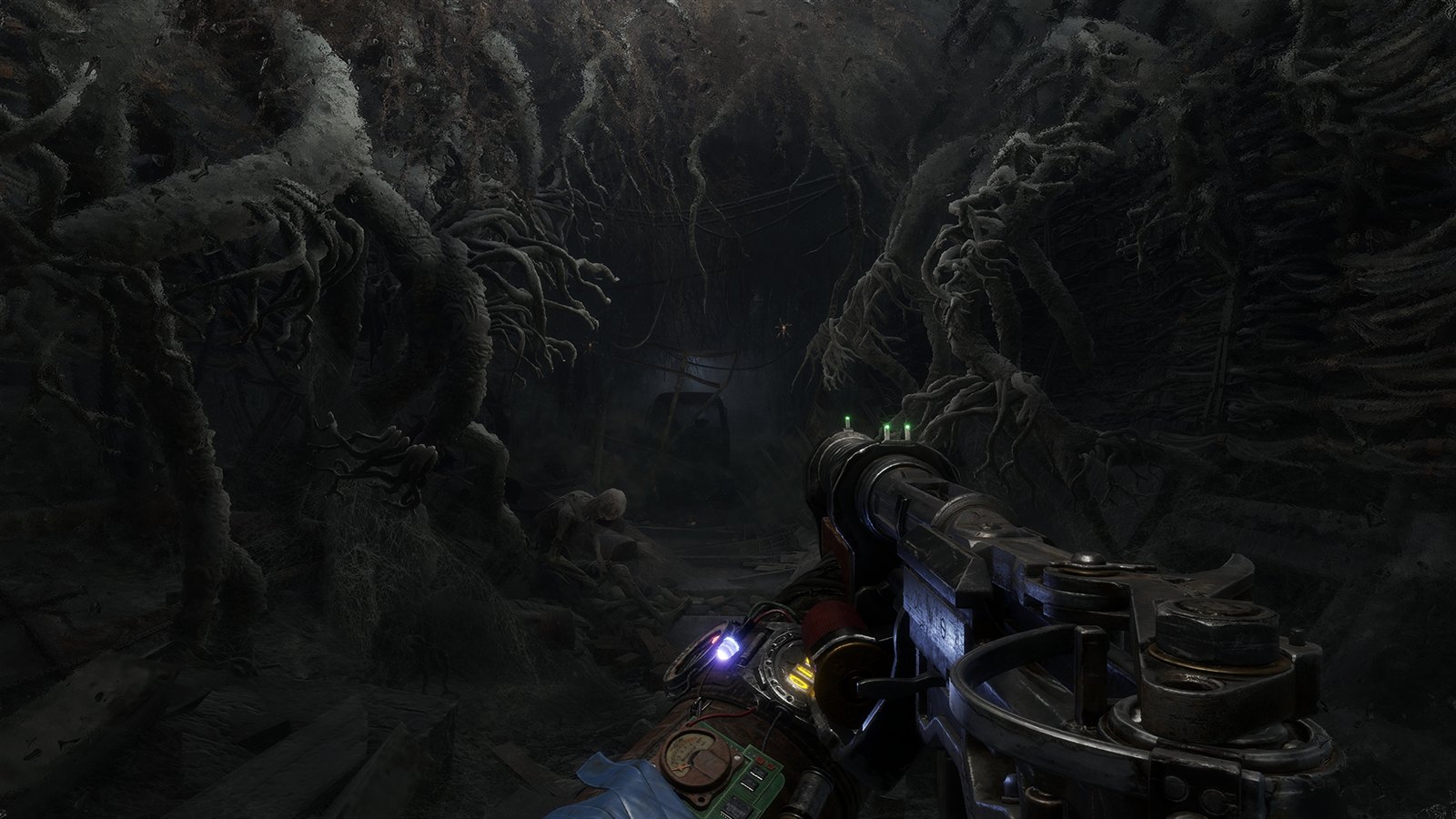
The difference between the editions is not a checkbox in the settings. 4A Games rewrote the entire lighting calculation in their engine around tracing.
- Two light sources became two hundred and fifty six. In the original a scene was lit by effectively the sun and the sky. The re-release added up to 256 real sources, each casting its own shadow.
- Glowing surfaces became light themselves. The mechanic was trialled in The Two Colonels expansion and then carried into the main game. A lamp, a campfire or a screen now lights the room for real instead of being painted in by hand.
- Global illumination is traced in full. Light coming through a window bounces off the floor and lifts the ceiling, and that is a calculation, not a bake.
This is exactly why Metro is worth remembering as the starting point. It is not a technology bolted on the side for the sake of a bullet on the box, it is a case where the whole renderer was rebuilt around it. Indiana Jones and Doom: The Dark Ages later took the same road, with tracing mandatory there too.
Path tracing: when everything is traced
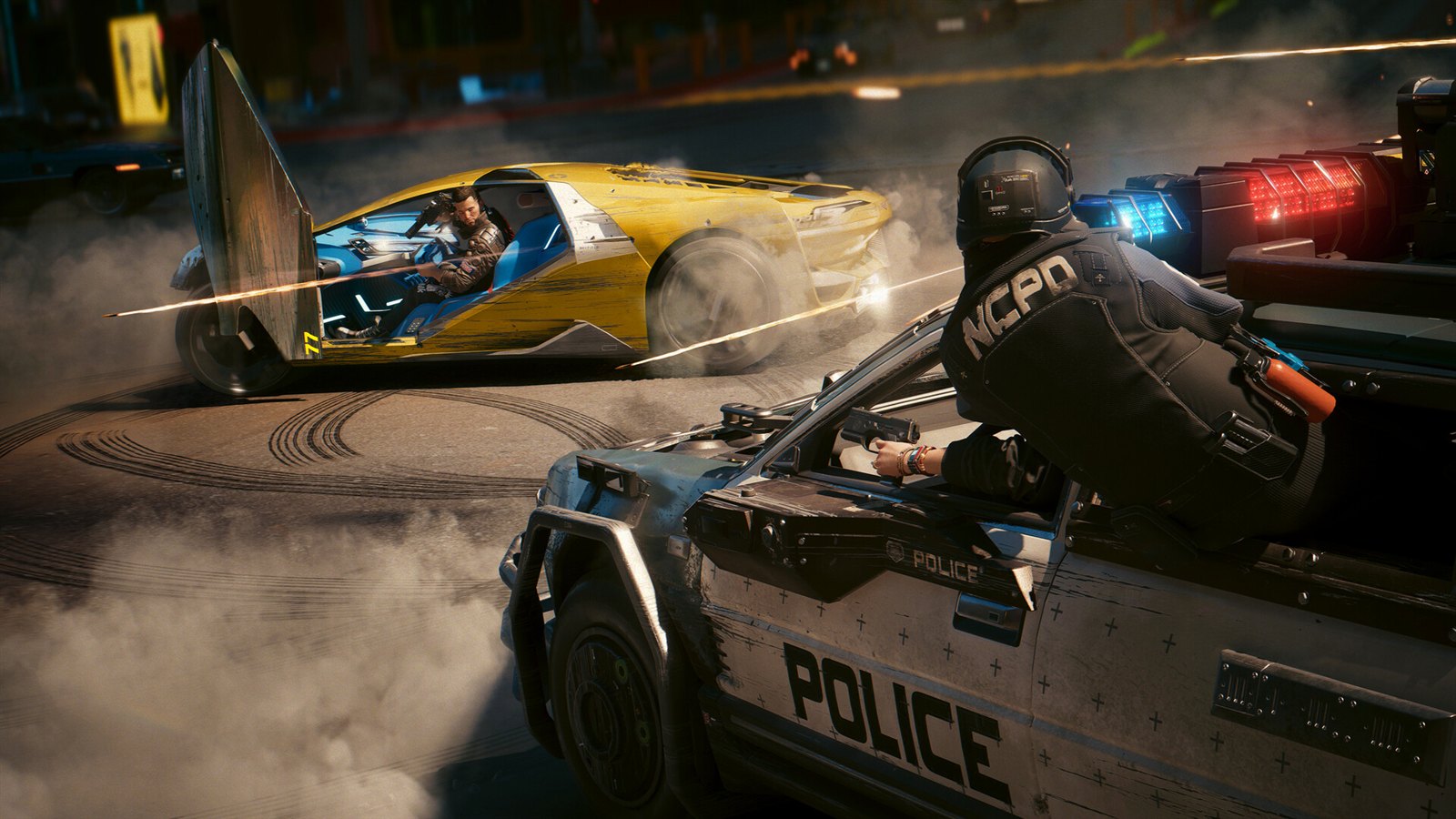
Path tracing is the next step up. Here all the light is traced at once: direct, reflected, bounced off walls, passed through glass. There are no separate settings any more, because there is nothing left to divide.
The difference shows up not in reflections but in the small things your brain reads as reality. A red wall tints the face of the person standing next to it. Light from a sign lands on the asphalt and on the ceiling of an archway. A dark corner is not black, it is faintly lit by whatever is nearby.
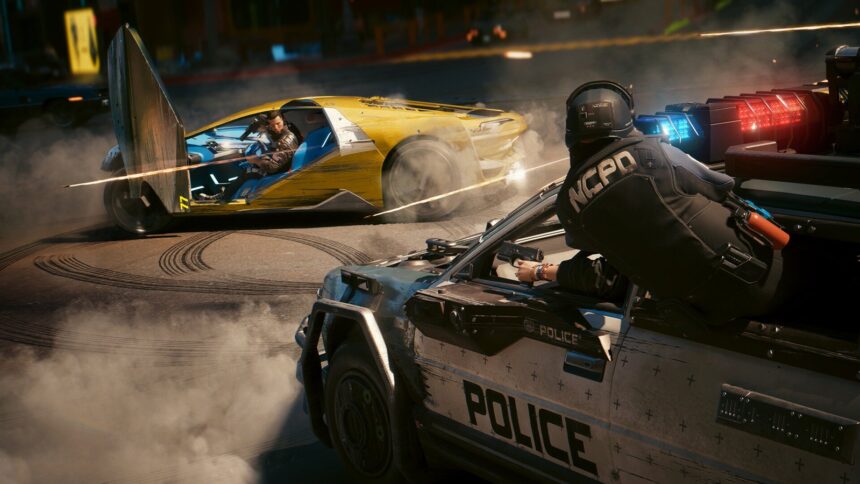
You pay dearly for it. In Cyberpunk 2077 the RT Overdrive mode flattens even an RTX 5080: around twenty frames without frame generation and an upscaler. That is why path tracing and upscalers arrived in games at almost the same moment. Neither works without the other.
The full list of path traced games
There are still fewer than two dozen games with real path tracing, which makes the list short enough to read.
- Cyberpunk 2077. The RT Overdrive mode, the benchmark and the heaviest load there is. A night city of neon and wet asphalt suits the technology perfectly.
- Alan Wake 2. Full tracing of direct light, global illumination and reflections. Light is also a game mechanic here, so the technology works for the gameplay.
- Indiana Jones and the Great Circle. Mandatory tracing plus a separate full path tracing mode for anyone with the hardware.
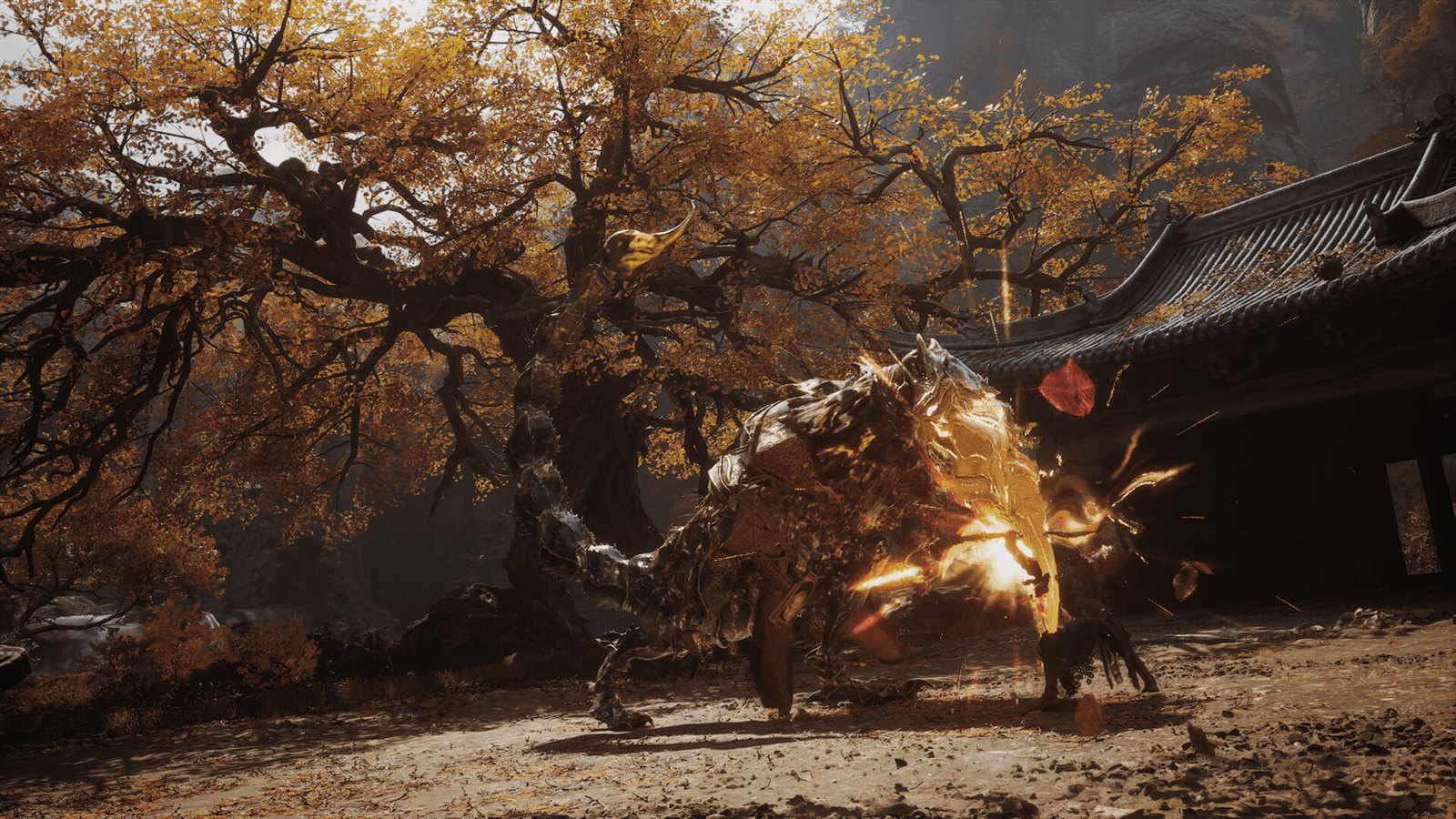
- Black Myth: Wukong. Path tracing across very different scenery, from dense forest to snowy mountains.
- Portal RTX and Half-Life 2 RTX. Old games rebuilt from the ground up on path tracing with the RTX Remix toolkit. They show plainly what the technology does to light.
- Doom: The Dark Ages. Tracing is mandatory, as in Metro and Indiana Jones.
- Resident Evil Requiem. Path tracing is announced, release in February.
- 007: First Light. Full path tracing is promised as a free update this summer.
- PRAGMATA. The PC version is still being worked on, with path tracing and DLSS 4 going in.
Lumen: the third way, from Unreal Engine
Lumen is the global illumination system in Unreal Engine 5, and it stands apart. Its job is the same as tracing: work out how light bounces off surfaces and fills a scene. The method is different.
Lumen has two modes, and the difference between them matters.
- Software Lumen. Works from simplified stand-ins for objects rather than the real geometry. Runs on any graphics card, including ones with no tracing units at all. It pays for that in accuracy: reflections are approximate and the image is prone to noise.
- Hardware Lumen. Uses those tracing units and works from the real triangles of the scene. Reflections are sharper, there is noticeably less noise, materials behave more honestly.
Which leads to something worth knowing as a player: when you see Lumen in the settings, look for a switch between software and hardware mode. The gap between those two is wider than the gap between many quality presets.
Notable games on Lumen
- Fortnite. Arguably the best implementation. Epic is showing off its own engine on its own game, and hardware Lumen there is exemplary.
- Black Myth: Wukong. The developers named Lumen and Nanite outright as the engine features that mattered most to them.
- Senua Saga: Hellblade II. Bleak landscapes and faces, where soft bounced light does almost all the work.
- Clair Obscur: Expedition 33. One of the tidiest examples: beautiful and stable at the same time.
- Silent Hill 2. The creative director of the remake singled out Lumen as the thing that gave them that fog creeping around your feet.
- Satisfactory. A rare case of Lumen in a building game, where the scene keeps changing under the player.
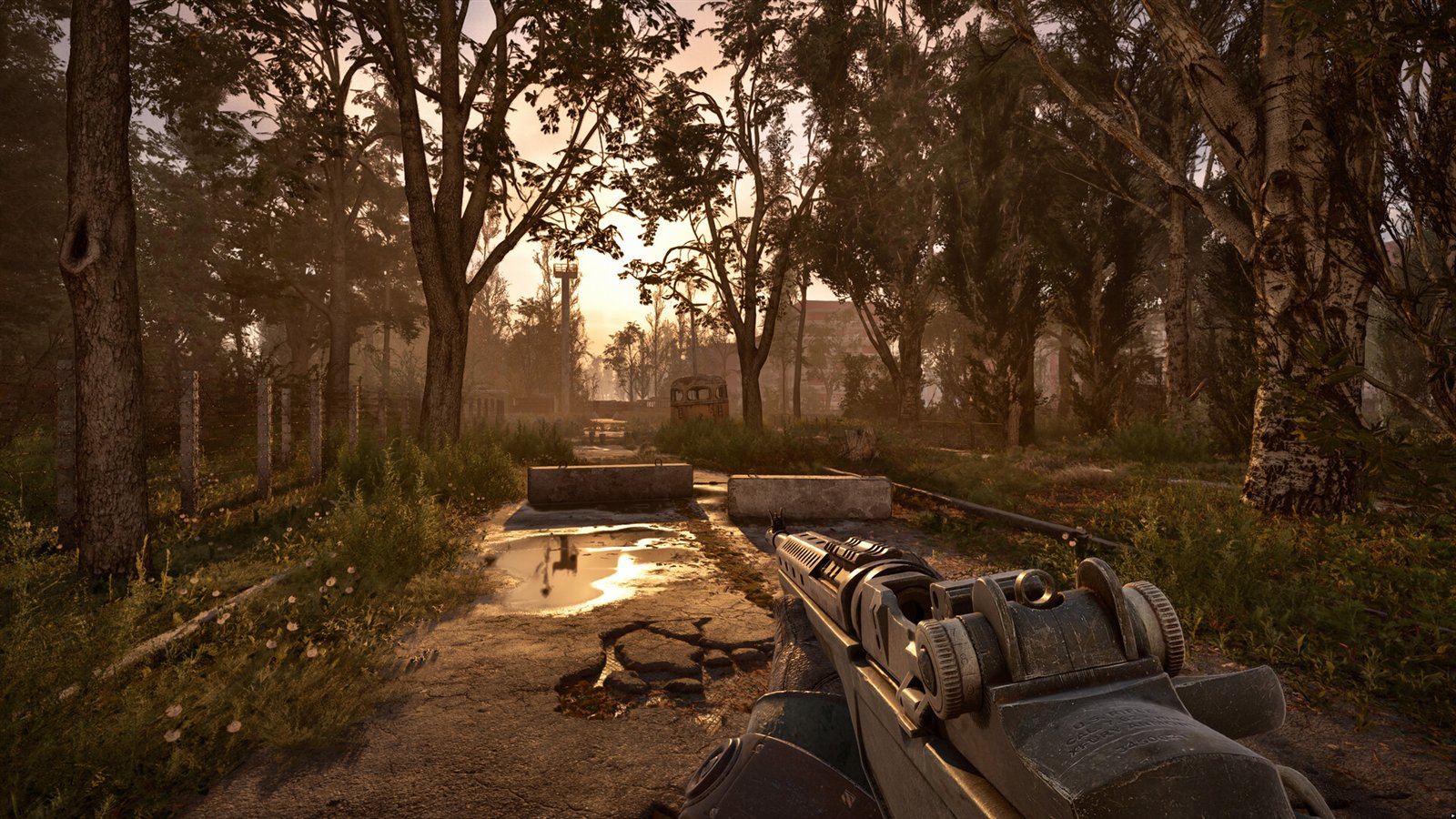
- S.T.A.L.K.E.R. 2. Software Lumen at launch, and it was the source of the shimmer on water and grass. Update 2.0 rewrote the lighting completely.
Can Radeon do ray tracing
The question that comes up most often, and the answer to it has changed a lot over the past year.
For a long time tracing was the weak spot on Radeon. RDNA 2 and RDNA 3 had the acceleration units, but walking the scene structure, the heaviest part of the job, ran noticeably slower than on Nvidia. Hence the reputation: playable, but keep one eye on the frame counter.
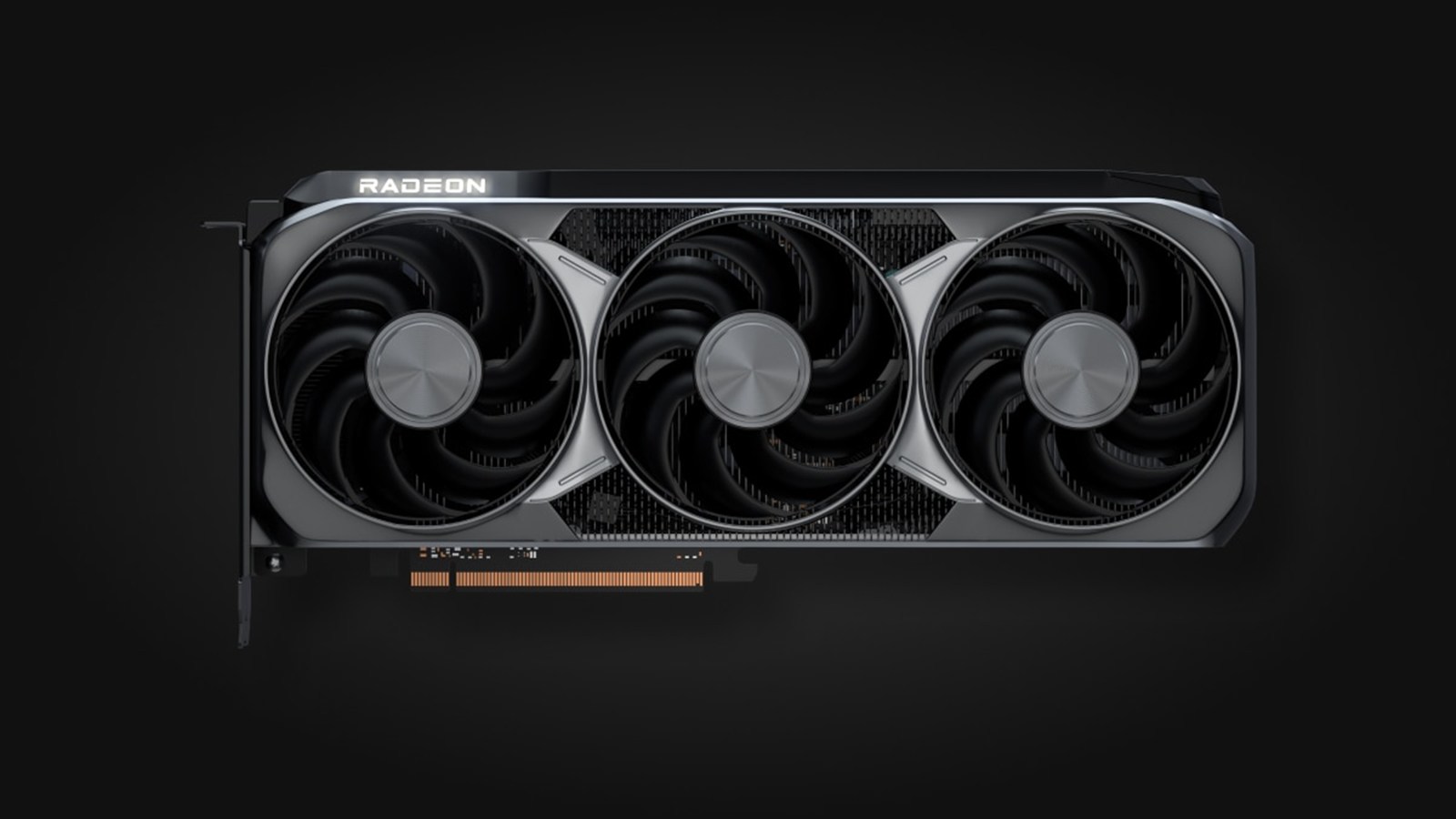
RDNA 4 reworked this. The new units walk the scene roughly twice as fast as RDNA 3, and that is not a marketing figure, it is what the tests show.
- Against its own previous generation. In ray tracing the Radeon RX 9070 XT is about 26 percent faster than the RX 7900 XTX, the flagship of the previous series. In Metro Exodus at 1440p the gap over the RX 7900 XT reaches 34 percent.
- Against the competition. That same RX 9070 XT is still about 21 percent short of a GeForce RTX 5070 Ti at 1440p and about 25 percent short at 4K. The gap is real, but it is a gap now, not a chasm.
- Path tracing. It is available, but it needs help. At 1440p you will be turning full tracing on together with FSR 4 in performance or balanced mode.
The practical takeaway is simple. Hybrid tracing on RDNA 4 is no longer a sacrifice, it is a normal way to play. Path tracing is possible, but it remains territory where Nvidia still holds the stronger position, and you should not go in there without an upscaler.
For owners of RX 7000 and RX 6000 the advice is unchanged: turn hybrid tracing on by taste and by game, and try path tracing only out of curiosity.
Where it is done exceptionally well
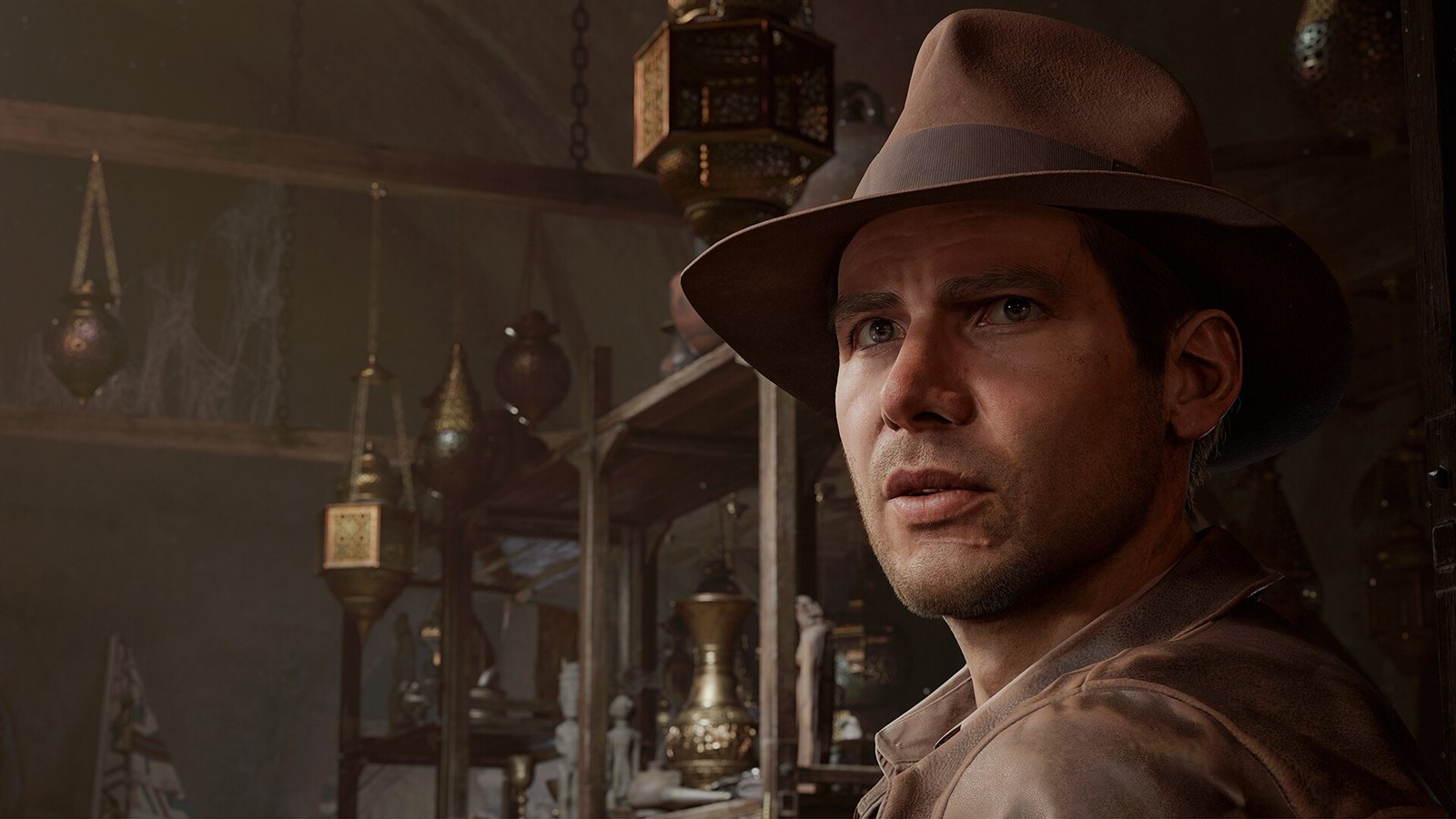
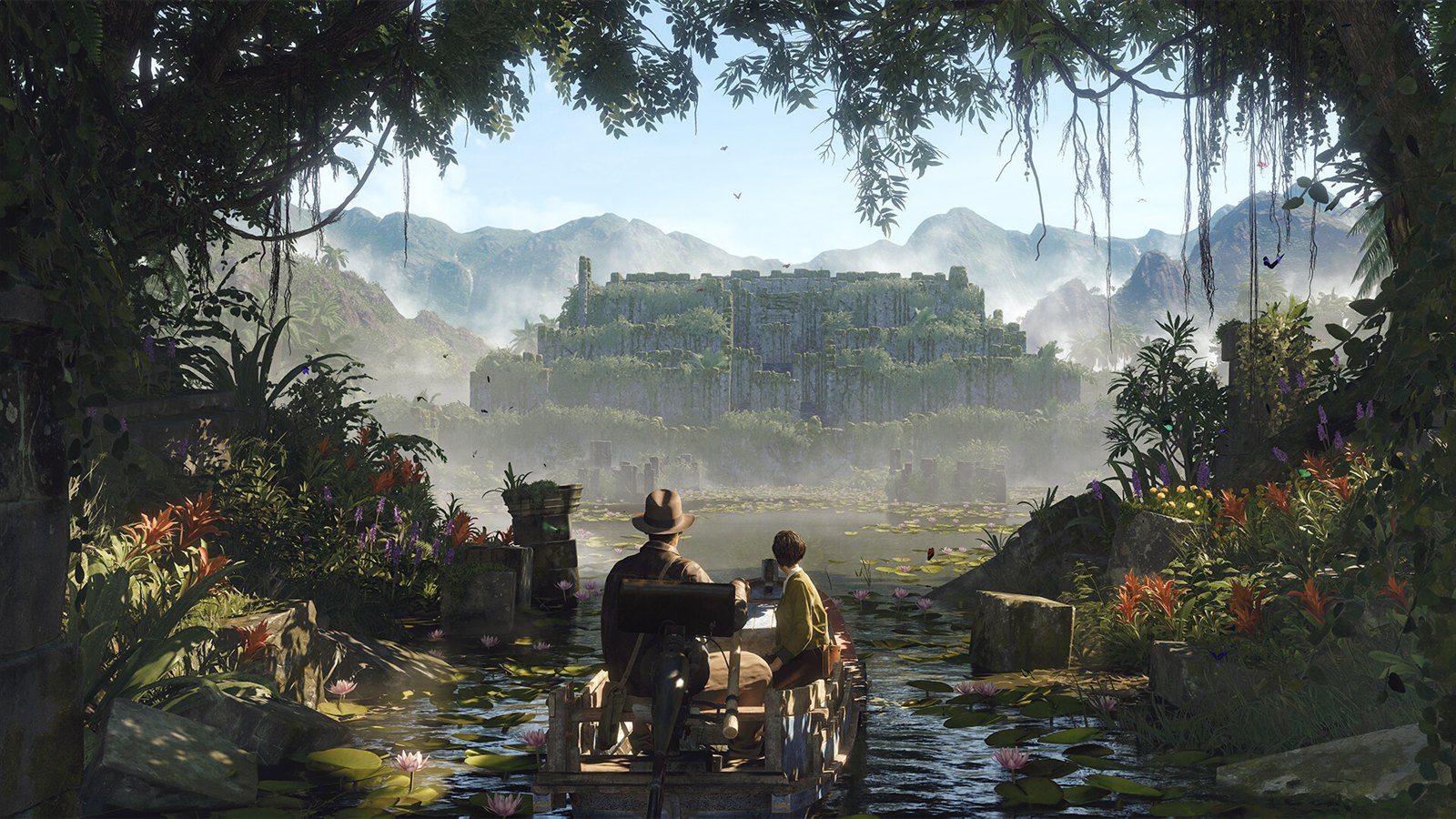
Indiana Jones and the Great Circle
Arguably the best example of a sensible approach. Tracing here is not an option, it is a mandatory part of the renderer, and the game was built around it from the start. The result: light behaves believably on PC and on consoles alike, and the frame rate does not fall through the floor.
Cyberpunk 2077
The showcase for path tracing and still the benchmark. There is exactly one drawback: the requirements are such that playing without an upscaler and frame generation is not on the table.
Alan Wake 2
A game where light is also a mechanic: the torch, the flashes, the darkness as an opponent. We covered the recent arrival of FSR 4 and frame generation in the game separately.
Where turning it on makes little sense
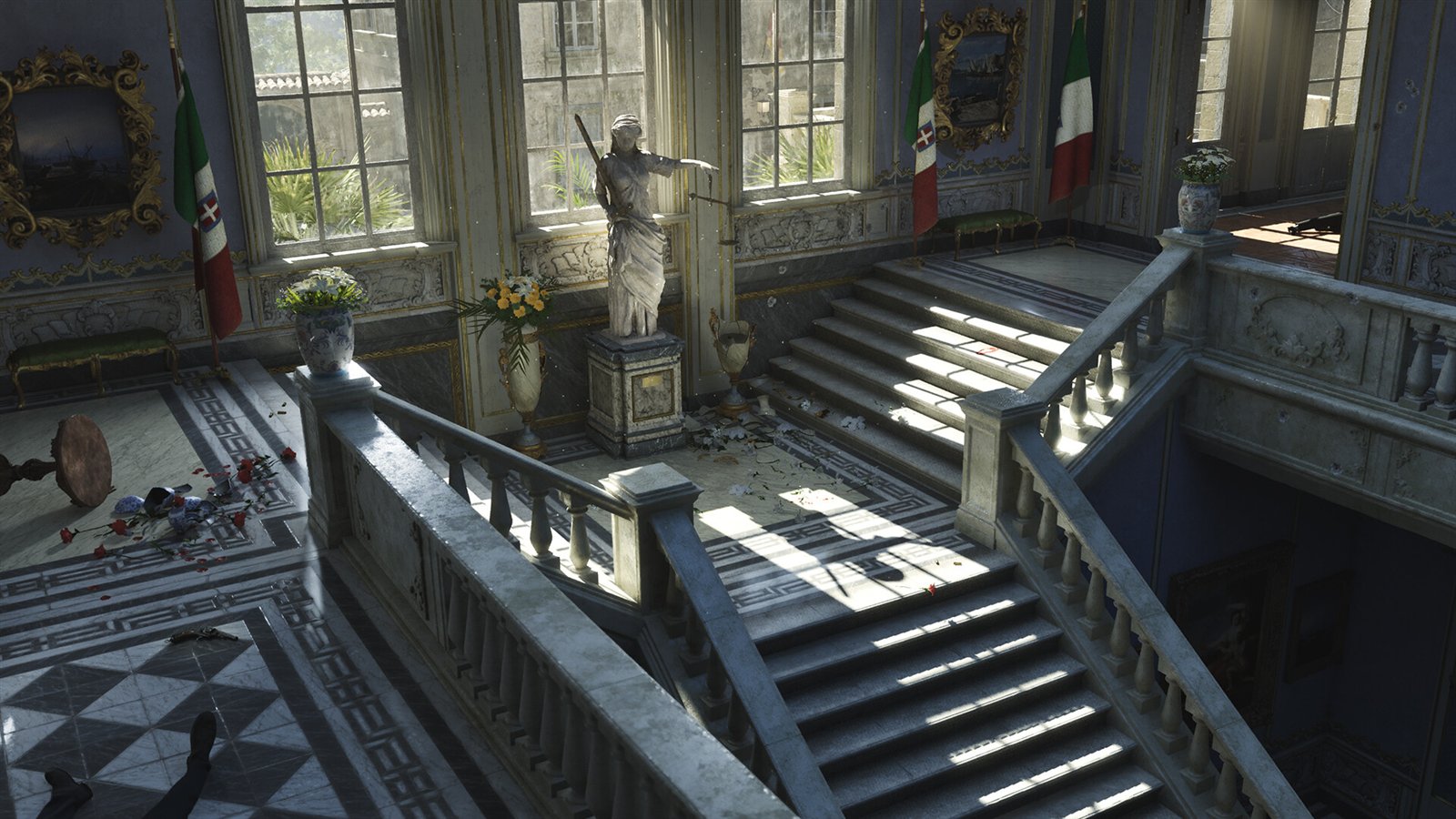
The honest answer: there are more of these games than one would like. There are three typical cases.
- Tracing for the sake of a bullet point. The settings only offer reflections, and the scene has nothing worth reflecting. Frames drop by a third and you have to hunt for the difference in screenshots.
- Software Lumen at a low internal resolution. A combination that produces visible shimmer on water, grass and small details in motion. In S.T.A.L.K.E.R. 2 people caught this from day one, especially in performance mode.
- Well staged lighting without tracing. If the artists lit the scene by hand and did it well, switching the rays on can give you less than the lost frames are worth. Mafia: The Old Country is the example: the light there is lovely with no tracing whatsoever.
There is a separate problem that has nothing to do with tracing but gets blamed on it constantly: the stutter in Unreal Engine 5 games as you move through the world. That is shader compilation and streaming, not Lumen, and turning the lighting off will not help.
What to turn on, specifically for you
- GeForce RTX 40 and 50, Radeon RX 9000. Turn tracing on without hesitation, and try path tracing together with an upscaler and frame generation.
- GeForce RTX 30, Radeon RX 7000. Hybrid tracing by taste, path tracing out of curiosity only.
- Anything older. Look at the game, not at the checkbox. If it runs on Unreal Engine 5, find the Lumen switch and set it to software mode, that is what it is there for.
- Always. Compare it yourself, in motion, not in screenshots. On your monitor and in your game the difference may turn out to be somewhere quite different from where it was promised.
And the main rule, the one that saves the most nerves: tracing is not a "make it pretty" button. It is a way of calculating light, and it shows exactly what the artists put there. In a game with flat lighting an honest calculation will show you flat lighting, only slower.