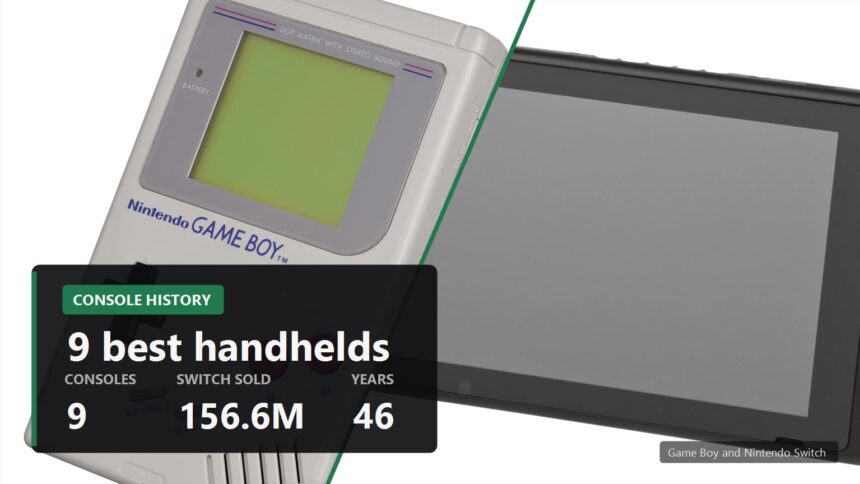
This list covers nine handheld consoles that shaped gaming on the go the most, in release order from the 1980 Game & Watch to the Steam Deck. For each one you get who built it and why, what was inside, what the company hoped for, how the launch went, what worked and what did not, what executives said before release and after, and how the console is doing in 2026.
- Game & Watch, April 1980. 43.4 million toys with a clock
- Game Boy, April 1989. 118.69 million including Game Boy Color
- Game Boy Advance, March 2001. 81.51 million and a SNES in your pocket
- Nintendo DS, November 2004. 154.02 million and two screens
- PSP, December 2004. About 80 million from a newcomer
- Nintendo 3DS, February 2011. Glasses-free 3D and 75.94 million
- PS Vita, December 2011. About 15 million and a cult following
- Nintendo Switch, March 2017. 156.59 million, Nintendo's best seller
- Steam Deck, February 2022. About 4 million and a new device category
- What the best handhelds have in common
We did not rank them with points. Scoring an LCD toy with a clock against a pocket gaming PC with Zen 2 on one scale makes no sense. The test is different: the console either changed the market, or people still want it today, ideally both. That is why the PS Vita is here even though it fell short of Sony's hopes and became a cult favourite anyway. The most surprising number in the list: according to Nintendo's figures as of 30 June 2026, the hybrid Switch has sold 156.59 million units and passed the record holder, the Nintendo DS, at 154.02 million.
Game & Watch, April 1980. 43.4 million toys with a clock
The idea started on a train. As the story goes, Nintendo engineer Gunpei Yokoi saw a bored businessman on the Shinkansen pressing buttons on an LCD calculator to pass the time. Yokoi decided a small game the size of a card holder would make that ride better, and he used the cheapest parts of the day: a segmented LCD and a 4-bit Sharp microcontroller taken from calculators. Nintendo was not a rich company back then and carried debt from failed projects, so a cheap idea suited it. Yokoi later put his principle this way:
The Nintendo way of adapting technology is not to look for the state of the art but to utilize mature technology that can be mass-produced cheaply.
Gunpei Yokoi, Nintendo- Processor. A 4-bit Sharp SM5 series microcontroller with about 1.8 KB of program memory.
- Screen. Segmented LCD: every figure is printed on the glass in advance and simply lights up in turn.
- Power. Button cells that lasted for months. Plus a clock and alarm, hence the name.
- Launch. The first game, Ball, came out in Japan on 28 April 1980 for 5,800 yen.
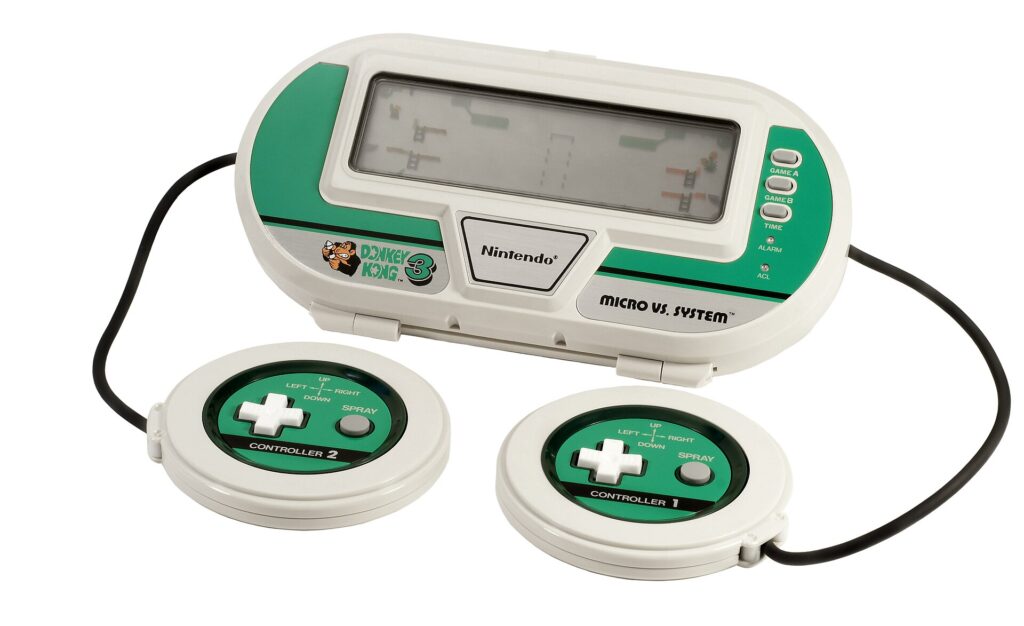
Plan and reality. Nintendo expected a cheap gadget for adults and got a line of 60 games from 1980 to 1991 with 43.4 million units sold. Donkey Kong alone sold around 8 million. According to figures compiled by Wikipedia, the series helped Nintendo clear its debts and build reserves before the Famicom.
What worked is visible on every modern console. In 1982 Nintendo gave the dual-screen Donkey Kong a cross-shaped pad instead of separate direction buttons. The D-pad moved to the Famicom, to every Nintendo controller and then to the whole industry, and in 2008 Nintendo received a technology Emmy for it. The weak point is just as clear: one game per device and no saves, so after a dozen hours the fun ran out.
Today. Game & Watch is a collector's item, and Nintendo has brought the brand back twice: Game & Watch: Super Mario Bros. for Mario's 35th anniversary in November 2020, and a Zelda edition a year later. The Mario unit was hacked on day one by researcher stacksmashing, who dumped the firmware, worked out the encryption and ran Doom and an NES emulator on it, as Nintendo Life and Hackaday reported. Retro creators keep coming back to the series, and the Japanese 1980 commercial above still circulates on YouTube.
Game Boy, April 1989. 118.69 million including Game Boy Color
Game Boy came from the same R&D1 division under Yokoi, with Satoru Okada leading the hardware. The approach was the one Yokoi called lateral thinking with withered technology: not the most powerful hardware, but reliable and cheap. Colour screens existed in 1989, but they drained batteries and cost a lot. According to Wikipedia, Hiroshi Yamauchi nearly cancelled the project in 1988 over a poor screen, and a new Sharp panel saved it. Yokoi explained the choice later:
The technology was there to do color. But I wanted us to do black and white anyway... Once you start playing the game, the colors aren't important.
Gunpei Yokoi, Nintendo- Processor. Sharp SM83 at 4.19 MHz, a relative of the Z80.
- Memory. 8 KB of RAM and 8 KB of video RAM.
- Screen. 160 by 144 pixels, four shades of greenish grey.
- Power. Four AA batteries, up to 30 hours of play.
- Launch. Japan on 21 April 1989 for 12,500 yen, US on 31 July 1989 for $89.99 with Tetris in the box.
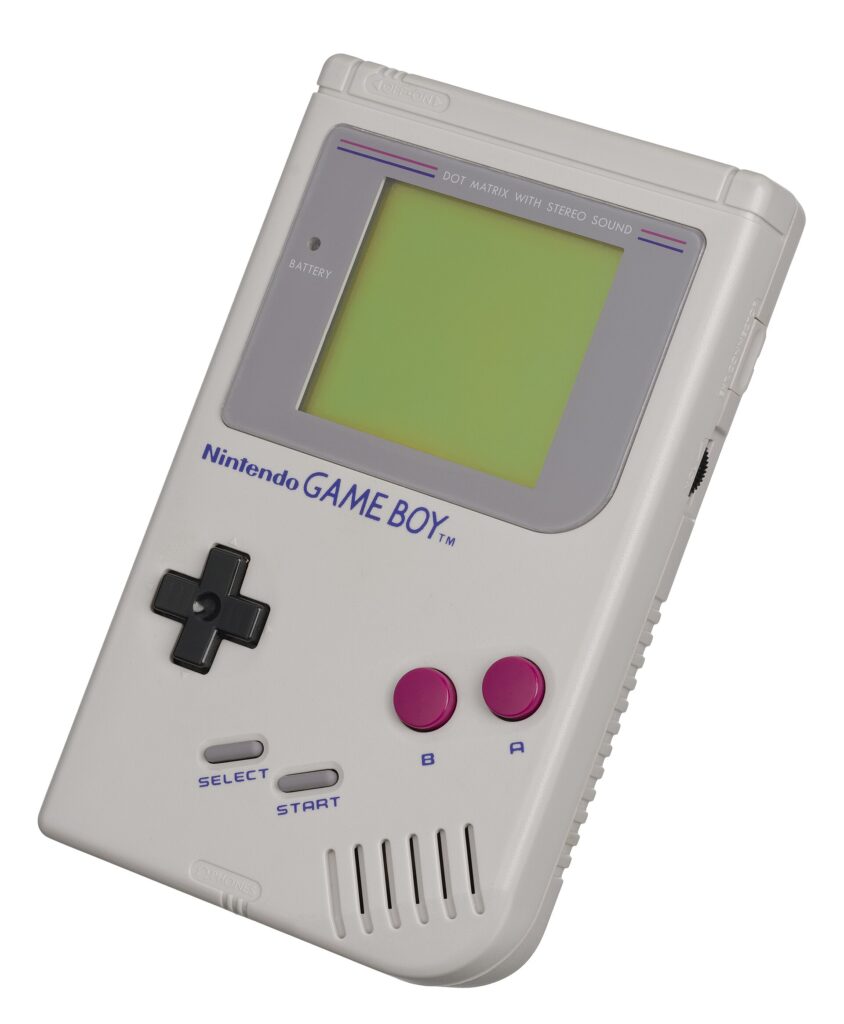
Plan and reality. The first 300,000 units in Japan sold out in two weeks, and 40,000 sold on day one in the US. Tetris made the difference. Henk Rogers, who secured the rights to the game, pushed Minoru Arakawa of Nintendo of America to put it in the box instead of Mario:
If you want little boys to buy your Game Boy, then include Mario. But if you want everyone to buy your Game Boy, then you should include Tetris.
Henk Rogers, Bullet-Proof SoftwareRogers was right: Tetris sold 35 million copies, and in 1996 Pokémon Red and Green arrived on Game Boy, making the console's late life even bigger than its early years. Together with Game Boy Color the family sold 118.69 million. The Atari Lynx and Sega Game Gear had colour and more power, but lost on price, weight and battery life. Game Boy had its weak spots too: motion blur and a screen you could barely see without good light.
Today. Game Boy sits in the Smithsonian, and in 2009 it entered the US National Toy Hall of Fame. People still write music on its sound chip with LSDJ, which is a whole chiptune scene. Modern hardware keeps the original alive: the Analogue Pocket plays Game Boy cartridges on a high resolution screen, it cost $199.99 in 2020 and went up to $239.99 in March 2026. The ModRetro Chromatic sold out in minutes in 2024 and has been on permanent sale since July 2025. Retro creators make more videos about Game Boy than about any other handheld, Gaming Historian has a long history episode, for example.
Game Boy Advance, March 2001. 81.51 million and a SNES in your pocket
The Game Boy successor was developed as Project Atlantis under Satoru Okada and shown to the public in 1999. The look came from French designer Gwénaël Nicolas of the Tokyo studio Curiosity: the body was turned horizontal so hands hold it at the sides like a controller. The goal was simple: put Super Nintendo level graphics in a pocket. The US launch came with a $75 million marketing campaign, and Peter Main, Nintendo of America's executive vice president of sales and marketing, sounded confident:
Game Boy Advance sets a new standard in portable entertainment.
Peter Main, Nintendo of America, 2001- Processor. 32-bit ARM7TDMI at 16.78 MHz, plus a Z80-style chip for Game Boy games.
- Screen. 2.9 inches, 240 by 160 pixels, no backlight.
- Power. Two AA batteries, about 15 hours.
- Compatibility. Every Game Boy and Game Boy Color cartridge.
- Launch. Japan on 21 March 2001, US on 11 June 2001 for $99.99.
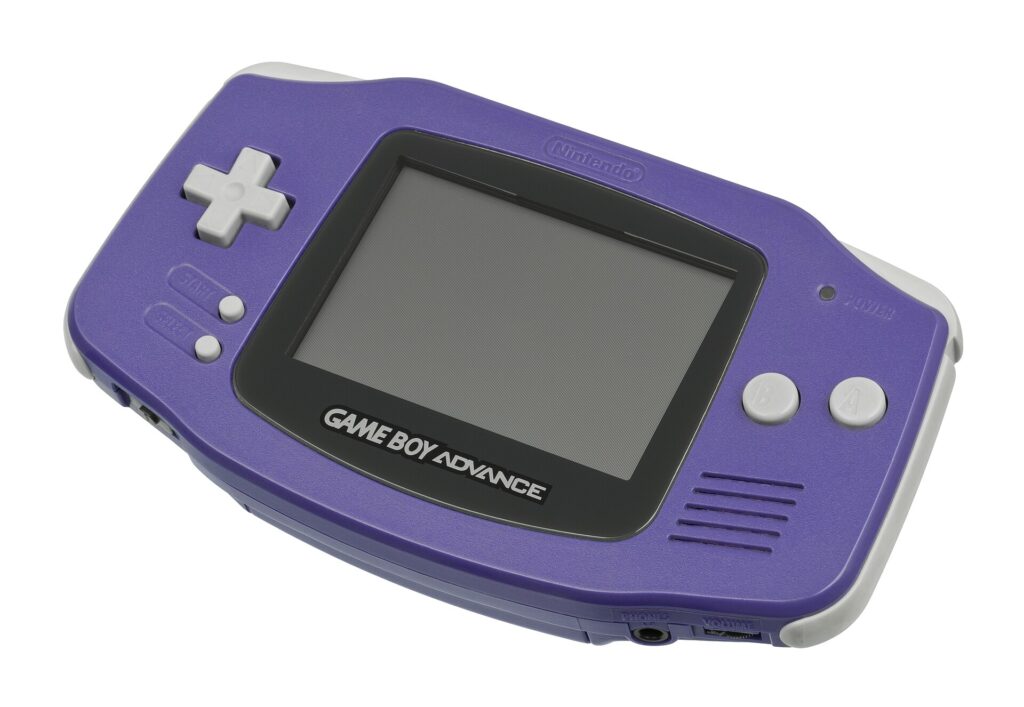
Plan and reality. Main expected up to 1 million units sold in the US in the first three weeks. The first week brought 500,000, and Japan took 1.6 million in six weeks. The whole line ended at 81.51 million: 35.52 million original units, 43.57 million Game Boy Advance SP and 2.42 million of the tiny Micro.
Players spotted the problem at once: no backlight. You had to play under a lamp, and a whole market of add-on lights appeared. Nintendo fixed it in 2003 with the clamshell SP, which had a front light and a built-in battery, and in 2005 with the AGS-101 model that had a real backlight. The games, on the other hand, were excellent: Metroid Fusion, Advance Wars, Golden Sun, Castlevania: Aria of Sorrow, Pokémon Ruby and Sapphire. Many consider the GBA library the best 2D library ever made.
Today. Since February 2023, GBA games have been part of Nintendo Switch Online with the Expansion Pack. The homebrew scene is active, and in April 2025 WayForward released Shantae Advance: Risky Revolution on cartridges, a game that started life on GBA in 2002 and was never published. Modders fit IPS screens and batteries into old shells, and the Analogue Pocket and ModRetro hardware play GBA cartridges on new screens, so original cartridges are in demand again.
Nintendo DS, November 2004. 154.02 million and two screens
Two screens were Hiroshi Yamauchi's idea, and the new Nintendo president Satoru Iwata turned it into a strategy. He called it gaming population expansion: instead of a power race with Sony, bring in people who had never played at all. Nintendo announced the DS on 20 January 2004 and at first did not even call it a Game Boy successor but a third product line. Iwata said:
[It] will enable fun and movement not seen before. I expect it to become a third pillar, next to GameCube and Game Boy.
Satoru Iwata, Nintendo, 2004At E3 2004 the console was presented by Reggie Fils-Aimé, on his first Nintendo stage appearance, and he opened with a line that became a meme: "My name is Reggie. I'm about kickin' ass, I'm about takin' names, and we're about makin' games."
- Processors. Two ARM chips: ARM946E-S at 67 MHz and ARM7TDMI at 33 MHz.
- Memory. 4 MB.
- Screens. Two 3-inch panels, 256 by 192 pixels, the lower one a touch screen for the stylus.
- Connectivity. Built-in Wi-Fi and microphone, plus a GBA cartridge slot.
- Launch. US on 21 November 2004 for $149.99, Japan on 2 December 2004 for 15,000 yen.
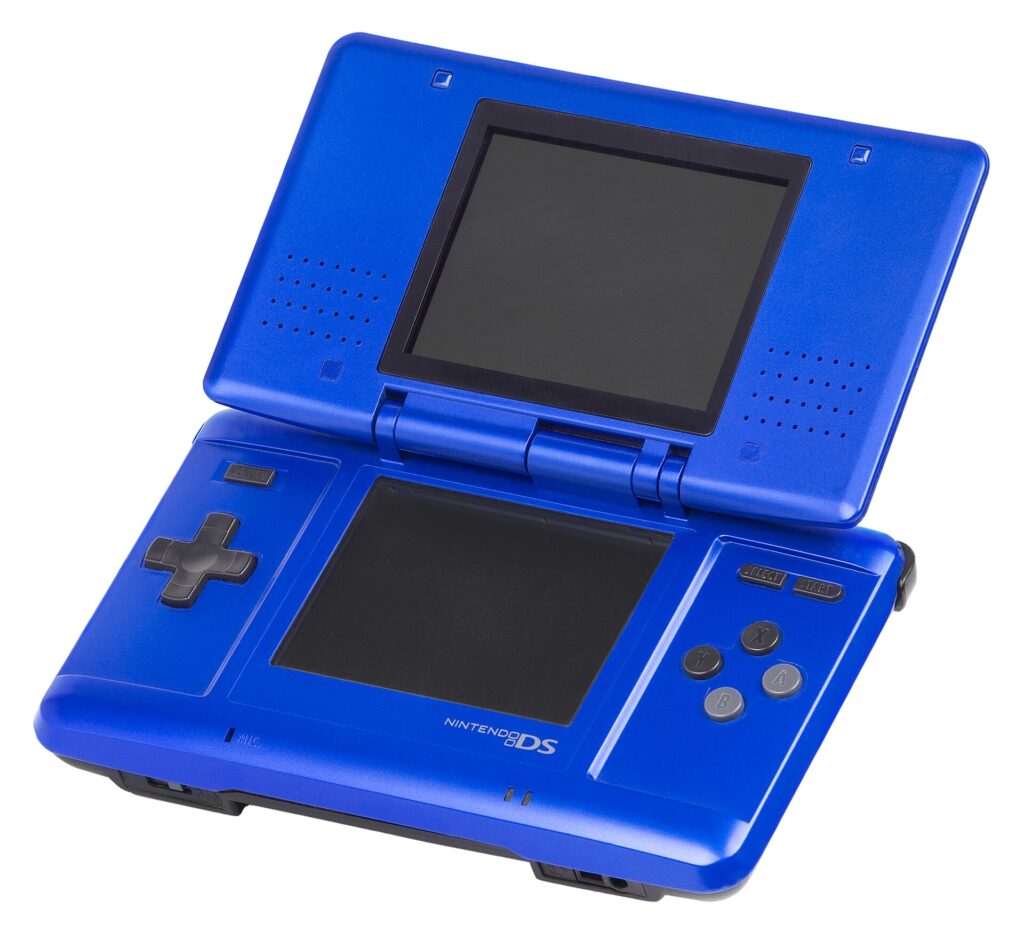
Plan and reality. Preorders beat expectations, and according to Wikipedia Nintendo raised the launch shipment from 1 million to 2.8 million. The real take-off came a year later with Nintendogs and Brain Age. They brought in people who had never held a game, and by 2006 about 44% of DS owners were women. At GDC 2006 Iwata summed it up:
Nintendo DS is selling at a much faster pace than any game system in Japanese history. We have reached sales of 6 million systems in just 14 months.
Satoru Iwata, GDC 2006The first DS looked clunky and was nicknamed the brick, so in 2006 Nintendo released the slim DS Lite. That model accounts for 93.08 million of the family's 154.02 million. The DSi with cameras and a shop and the DSi XL followed. Next to the PSP's graphics the DS looked weaker, but it won on games, price and on being obvious to anyone holding a stylus.
Today. The DS turned 20 in 2024 and got a wave of retrospectives: The A.V. Club and Retro Dodo ran long features, and dozens of creators made video looks back. It is often called the console that saved Nintendo after the GameCube. For retro gaming it is the cheap way in: a DS Lite is still inexpensive and plays both DS games and GBA cartridges.
PSP, December 2004. About 80 million from a newcomer
Sony entered a market Nintendo had owned for 15 years with the opposite idea: not a cheap toy, but a powerful media device. Ken Kutaragi, the father of PlayStation, called the future console the Walkman of the 21st century at E3 2003, and it was unveiled at E3 2004. At CES 2005 Kaz Hirai, head of Sony's US division, was anything but modest:
PSP will elevate portable entertainment out of the handheld gaming ghetto and Sony is the only company that can do it... the baton has been passed.
Kaz Hirai, Sony Computer Entertainment America, CES 2005- Processor. MIPS R4000 up to 333 MHz.
- Memory. 32 MB, 64 MB in later models.
- Screen. 4.3 inches, 480 by 272 pixels, widescreen.
- Media. 1.8 GB UMD optical discs, plus Memory Stick Duo cards.
- Launch. Japan on 12 December 2004 for 19,800 yen, US on 24 March 2005 for $249.99.
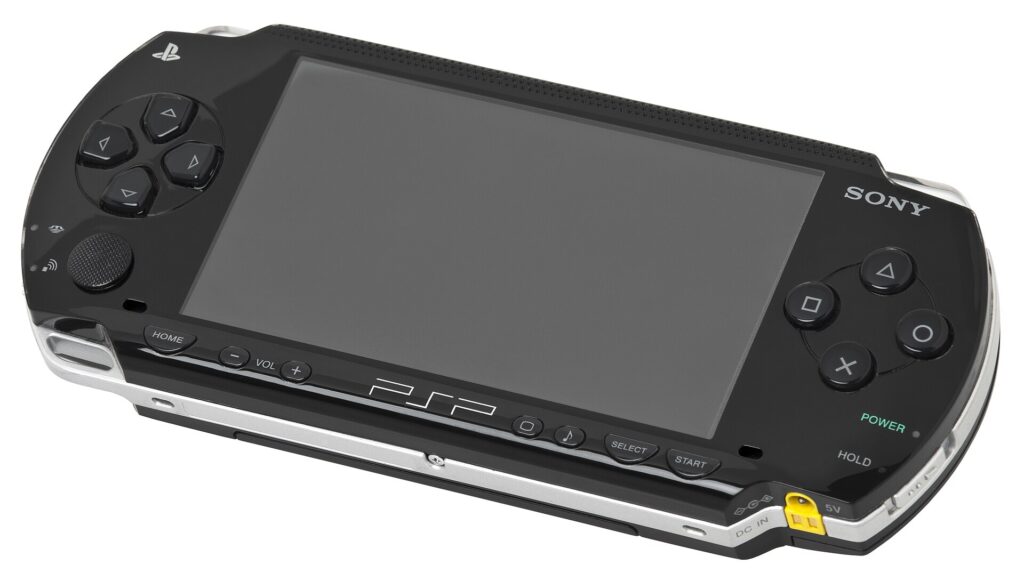
Plan and reality. About 200,000 units sold on day one in Japan. Sony stopped publishing PSP sales after 76.4 million in March 2012, and the lifetime total is estimated at around 80 million. For a company's first handheld that is a huge result, even though the DS sold almost twice as many.
What went wrong is well known. Custom firmware appeared quickly and piracy hurt game sales. UMD never caught on as a movie format. In 2009 Sony launched the PSP Go with no disc drive, digital games only, for $249, and it flopped. In 2010 Hirai answered questions frankly:
I think we need to make sure we have as many titles available to download as possible, to make the experience as easy as possible. But also pricing is perhaps an issue.
Kaz Hirai on the PSP Go, MCV, 2010He refused to call the PSP itself a failure, though: that same year Hirai pointed out it had sold more than 60 million units. Its library includes Monster Hunter Freedom Unite, God of War: Chains of Olympus, Crisis Core, Persona 3 Portable and Metal Gear Solid: Peace Walker. Monster Hunter turned the PSP into Japan's people's console.
Today. The PPSSPP emulator runs PSP games on phones and PCs at high resolution, and many people meet the library that way first. In December 2025 Digital Foundry recorded an episode on its favourite PSP games for the console's 21st birthday, and in January 2026 Time Extension noted with surprise that younger players had started calling the PSP a failure. Collectors hunt for PSP-3000 units and rare UMDs.
Nintendo 3DS, February 2011. Glasses-free 3D and 75.94 million
The 3DS was built around one idea: stereoscopic 3D without glasses. A parallax barrier over the top screen sends each eye its own image, and a slider on the side sets the depth. Nintendo announced the console in March 2010 and showed it at E3 in June, where queues formed at the booths. Iwata knew 3D would be a hard sell:
There is no easy road to making people understand the attraction of glassless 3D images and making Nintendo 3DS widespread.
Satoru Iwata, investor meeting- Processor. Dual-core ARM11 MPCore, DMP PICA200 graphics.
- Memory. 128 MB.
- Screens. Top 3.53 inches, 800 by 240 pixels, 400 per eye. Bottom touch screen 3.02 inches, 320 by 240.
- Other. Analogue stick, gyroscope, three cameras for 3D photos, DS backward compatibility.
- Launch. Japan on 26 February 2011, US on 27 March 2011 for $249.99.
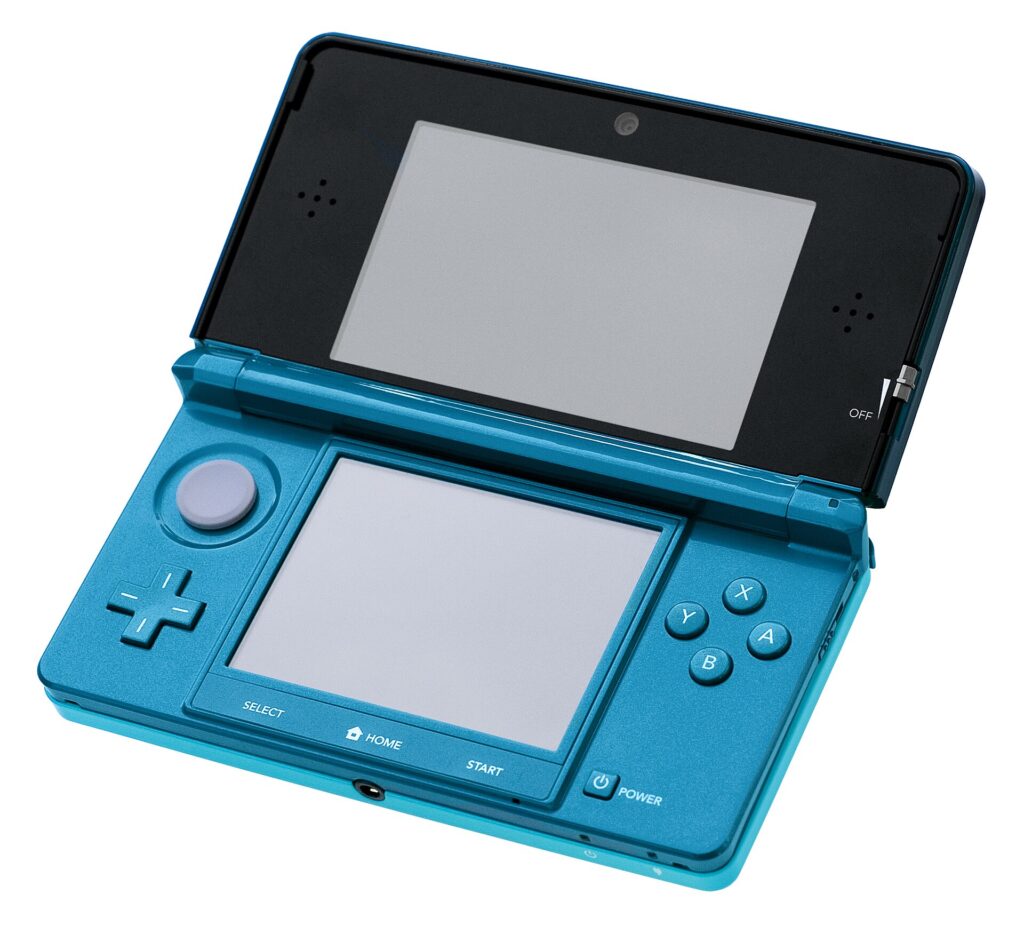
Plan and reality. The launch flopped. There were no strong games, the 3D tired the eyes, and $249.99 looked steep next to smartphones. At the end of July 2011 Nintendo announced a price cut to $169.99 from 12 August, less than half a year after release. Early buyers got the Ambassador Program with 20 free NES and GBA games as an apology, and Iwata wrote them a letter:
Never before has Nintendo chosen to issue such a dramatic price drop less than 6 months after a system release.
Satoru Iwata, letter to Nintendo 3DS owners, 2011Iwata took responsibility personally as well. On the executive pay cuts he was direct: "For cuts in fixed salaries, I'm taking a fifty percent cut, other representative directors are taking a 30 percent cut, and other execs are taking a 20 percent cut." After the price cut and the release of Super Mario 3D Land and Mario Kart 7, the console came alive. Mario Kart 7 sold 18.99 million, followed by Animal Crossing: New Leaf, Pokémon X and Y, and Fire Emblem Awakening. The total reached 75.94 million, and it was the library, not the 3D, that saved it: in 2013 Nintendo released the 2DS with no 3D at all.
Today. 3DS production ended on 16 September 2020, the eShop closed on 27 March 2023 and online play went dark in April 2024. That is exactly when the 3DS got more expensive. In January 2026 Nintendo Wire reported a sharp rise in used console prices, a New 3DS XL goes for $200 to $350 on eBay, and early 2026 saw record prices for the family. Three reasons: the services are gone for good, modders love the New 3DS XL for stable custom firmware, and the retro market as a whole is rising.
PS Vita, December 2011. About 15 million and a cult following
The Vita was meant to be a PlayStation 3 in your pocket. Kaz Hirai showed it on 27 January 2011 at PlayStation Meeting in Tokyo under the working name NGP, Next Generation Portable, and announced the PlayStation Vita name at E3 2011. Sony gave it everything the PSP lacked: two analogue sticks, an OLED screen and a rear touch panel. At E3 Hirai promised:
PlayStation Vita will revolutionize the portable entertainment experience.
Kaz Hirai, Sony, E3 2011- Processor. Quad-core ARM Cortex-A9, PowerVR SGX543MP4+ graphics.
- Memory. 512 MB of RAM and 128 MB of video RAM.
- Screen. 5-inch OLED, 960 by 544 pixels, touch.
- Controls. Two sticks, rear touch panel, gyroscope, cameras.
- Launch. Japan on 17 December 2011, US and Europe on 22 February 2012 for $249.99 with Wi-Fi and $299.99 with 3G.
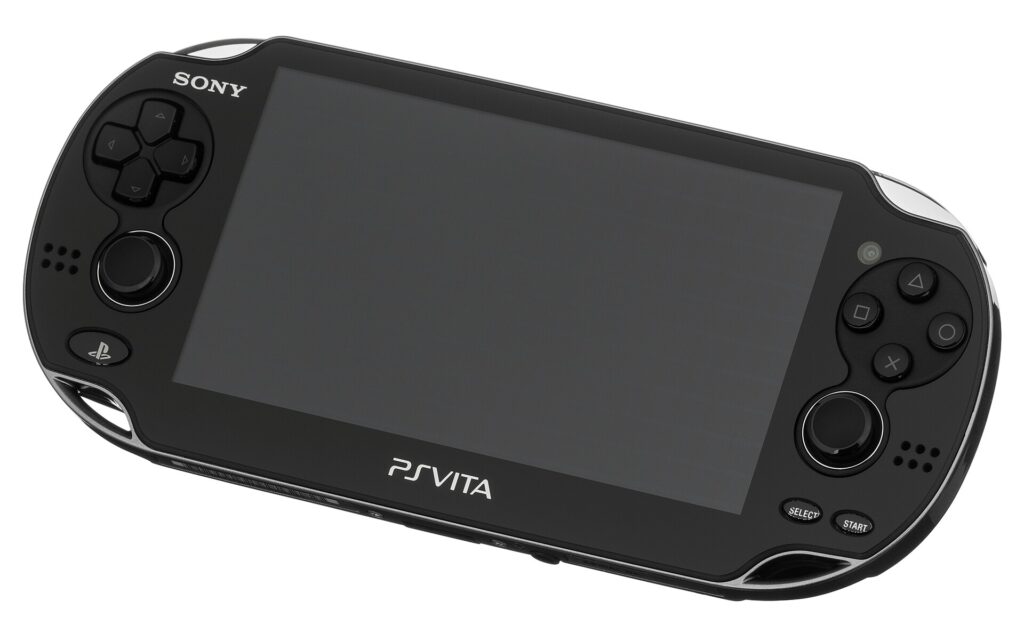
Plan and reality. Sales came in far below expectations. Sony stopped publishing numbers, and the total is estimated at around 15 million. One reason was in the box: the console needed proprietary memory cards that cost several times more than regular microSD. The other reason was Sony itself. Shuhei Yoshida, head of PlayStation's studios, later admitted:
The biggest reason Vita didn't do as well as we had hoped was we had to split all our efforts and resources into two different platforms.
Shuhei Yoshida, SonyThe big studios moved to PS4, and the Vita was left with indies and Japanese games. Sony tasked Shahid Ahmad with bringing independent games to it, which is how Spelunky, Hotline Miami, Fez and dozens more landed on Vita. Many still name Persona 4 Golden as the main reason to own one. Production in Japan ended on 1 March 2019, and PlayStation boss Jim Ryan drew the line:
PlayStation Vita was brilliant in many ways, and the actual gaming experience was great, but clearly it's a business that we're no longer in now.
Jim Ryan, Sony Interactive Entertainment, 2019Today. The Vita became an enthusiast's console. The HENkaku exploit and its successors install straight from the console's browser, the community keeps the step by step Vita Hacks Guide up to date, and in June 2026 XDA described turning a hacked Vita into a pocket retro machine with emulators. Fresh hacking guides and homebrew videos appear on YouTube every year. On 1 July 2026 Sony announced that the PS3 and Vita store will close in stages, in all regions by July 2027, with purchased games staying available to download. That pushed demand for consoles and physical games even higher.
Nintendo Switch, March 2017. 156.59 million, Nintendo's best seller
After the Wii U failed, Nintendo had two product lines and limited resources. Project NX merged them into one device: a tablet with detachable Joy-Con controllers that slides into a dock and plays on the TV. Development was led by Yoshiaki Koizumi and Shinya Takahashi with Shigeru Miyamoto involved, and the concept took shape while Iwata was still president. Nintendo showed the first trailer on 20 October 2016. Koizumi explained the idea to TIME:
We're hoping that Nintendo Switch will be a system that will be the constant in your gaming life. Whereas previously, you would play certain things on your home system and certain things on your handheld.
Yoshiaki Koizumi, Nintendo, 2017- Processor. Nvidia Tegra X1: four ARM Cortex-A57 cores and Maxwell graphics.
- Memory. 4 GB, 32 GB of storage.
- Screen. 6.2 inches, 1280 by 720 pixels, up to 1080p on a TV.
- Controllers. Two Joy-Con with gyroscopes and HD rumble.
- Launch. 3 March 2017 for $299.99, alongside The Legend of Zelda: Breath of the Wild.
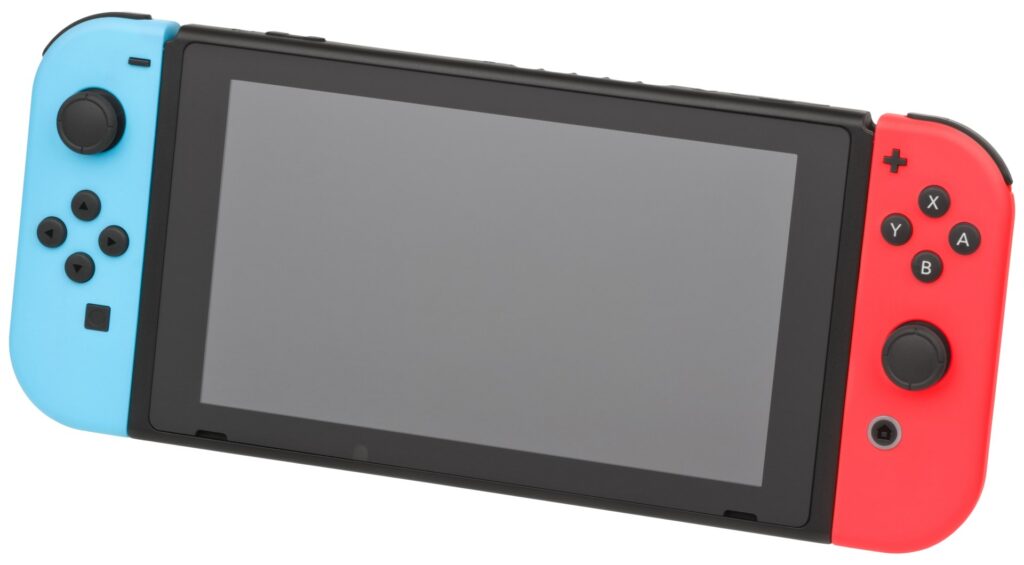
Plan and reality. In 2017 Nintendo president Tatsumi Kimishima said he expected Switch to sell about as well as the Wii. The Wii sold 101.63 million. By the end of March 2017 Nintendo had shipped 2.74 million Switch units, and by 30 June 2026 the count reached 156.59 million, one and a half times the bar Kimishima set. It is the best-selling Nintendo console ever.
Almost everything worked: Zelda at launch, Mario Odyssey in the first year, Animal Crossing: New Horizons landing during the 2020 lockdowns, and a huge stream of indie games. The handheld-only Switch Lite arrived in 2019 and the OLED model in 2021. There were weak spots too: Joy-Con stick drift, which led to class action lawsuits in the US, and performance that fell short of many ports late in the console's life. The successor, Switch 2, launched on 5 June 2025 and had sold 23.68 million by 30 June 2026.
Today. Switch is still on sale and still getting games, and Switch 2 runs most of its library. Early revisions have their own fame among modders: the Tegra bootloader flaw found in 2018 cannot be patched with an update, so unpatched units are sought after. Retro creators rarely cover Switch yet, it is too alive for them, but in Nintendo history videos it already stands next to Game Boy and DS.
Steam Deck, February 2022. About 4 million and a new device category
The Steam Deck grew out of a failure. In 2015 Valve launched Steam Machines, living room PCs running SteamOS, and they went nowhere: Linux had few games, and developers would not port games without players. Valve changed course and started with software: in 2018 it released the Proton compatibility layer, which runs Windows games on Linux. Once that worked, Valve announced the Steam Deck on 15 July 2021. The $399 base price was set aggressively, and Gabe Newell admitted as much to IGN:
Price point was secondary and painful. But that was pretty clearly a critical aspect to it.
Gabe Newell, Valve, 2021- Processor. AMD Aerith APU: four Zen 2 cores with eight threads, RDNA 2 graphics.
- Memory. 16 GB LPDDR5.
- Screen. 7 inches, 1280 by 800 pixels, 60 Hz.
- Storage. 64 GB eMMC, 256 or 512 GB NVMe.
- Launch. First units shipped to reservation holders on 25 February 2022, priced at $399, $529 and $649.
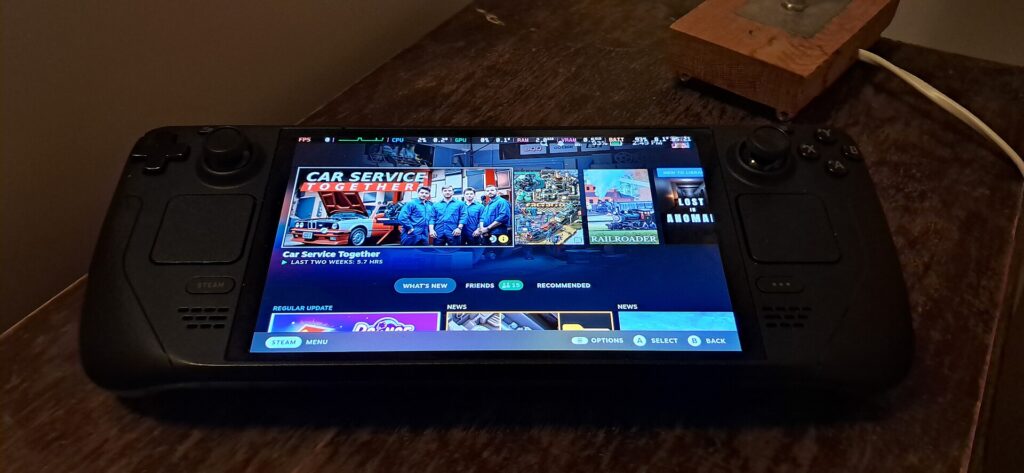
Plan and reality. Valve sells the Steam Deck only through Steam and does not disclose numbers. Omdia estimated 1.62 million sold in 2022, and IDC counted 3.7 to 4 million by February 2025. That is small by console standards, but Newell never aimed to beat Switch: the goal was to create a device category, and it worked. The ASUS ROG Ally and Lenovo Legion Go followed, and in November 2023 Valve released the Steam Deck OLED with a 7.4-inch 90 Hz screen.
What went wrong became visible in 2026. On 27 May Valve raised prices: the 512 GB OLED model went from $549 to $789, the 1 TB model costs $949, and the LCD version was pulled from sale. Analysts estimate sales dropped noticeably afterwards. There is no successor yet, and Valve engineer Pierre-Loup Griffais explained why:
We're not interested in getting to a point where it's 20 or 30 or even 50% more performance at the same battery life. We want something a little bit more demarcated than that.
Pierre-Loup Griffais, ValveToday. The Steam Deck is not retro yet, but for many people it is the main retro machine. Emulators through EmuDeck, old games from Steam and GOG, all in one shell. For retro creators the Deck has become a work tool for testing PS2, GameCube and Switch emulation. Valve confirms Steam Deck 2 is in development, while the 2028 date remains a rumour.
What the best handhelds have in common
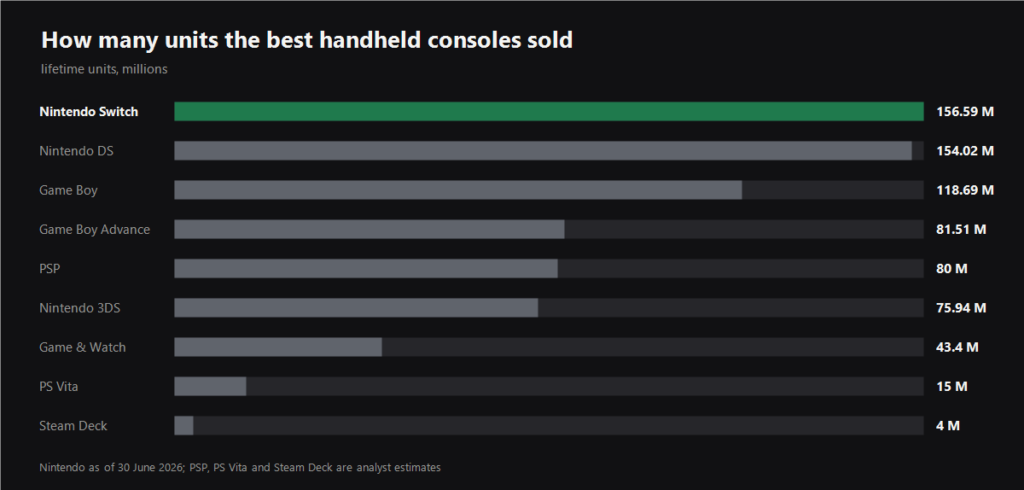
Put the nine stories together and the pattern is obvious. Power did not win. Game Boy lost to the Lynx and Game Gear on graphics and won the market. The DS was weaker than the PSP and sold almost twice as many. Switch trailed the PS4 and Xbox One and became Nintendo's best console. Price, battery life, a clear idea and games worth buying the console for did the winning.
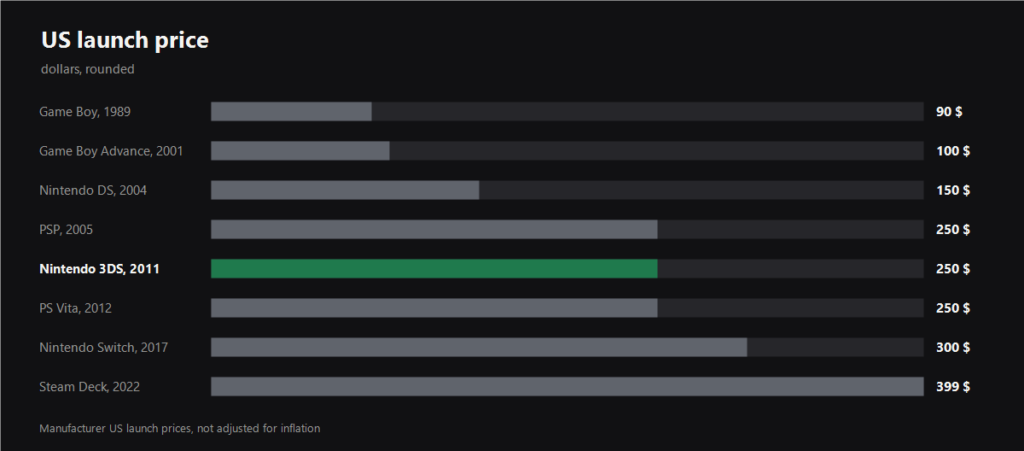
The price chart shows a second pattern. Handhelds keep getting more expensive, but every time the launch price went above what the audience would pay, trouble followed. The 3DS at $250 had to be cut after five months, the Vita at the same price with pricey memory cards never recovered, and the PSP Go failed at the price of a regular PSP. The 2026 Steam Deck price rise hit sales right away.
And a third common trait: a good handheld does not die when production ends. Game Boy lives on in the Analogue Pocket and ModRetro Chromatic, GBA in new cartridge releases, the 3DS gets pricier after its shop closed, and the Vita is kept going by enthusiasts. If you want a retro handheld today, the cheapest way in is a DS Lite, the most interesting one to mod is a New 3DS XL, and the most convenient for everything at once is the Steam Deck.
Sources
Nintendo console sales (Switch, Switch 2, DS, 3DS, Game Boy, Game Boy Advance, Wii) come from Nintendo's official IR hardware table as of 30 June 2026. Specifications, dates and launch prices come from the Wikipedia article on each console, which compiles manufacturer data. The Game & Watch story, the D-pad and the Emmy, series sales and Nintendo's finances follow Wikipedia. Gunpei Yokoi's words on mature technology and the black and white screen, the Tetris story and Henk Rogers' quote come from Wikipedia and accounts of the Game Boy's creation. Analogue Pocket and ModRetro Chromatic prices come from the manufacturers' sites and news coverage. Peter Main's quote and the Game Boy Advance sales plans come from GameSpot, the GBA line figures and Shantae Advance from Wikipedia and Nintendo Life. Satoru Iwata's 2004 words come from Wikipedia, his GDC 2006 words from the transcript published by Nintendo Life, and Reggie Fils-Aimé's line from the E3 2004 recording. Kaz Hirai's CES 2005 quote comes from Wikipedia, his PSP Go comments from the 2010 MCV interview as reported by Engadget, and PSP sales from Sony reports compiled by Wikipedia. The Digital Foundry PSP episode and the Time Extension article were checked on YouTube and the publication's site. Iwata's 3DS comments, the owner letter, pay cuts and the Ambassador Program come from Wikipedia and official Nintendo statements, and the 3DS price rise from Nintendo Wire. Hirai's Vita quote comes from NBC News, Shuhei Yoshida's and Jim Ryan's words from Wikipedia, the PS3 and Vita store closure from Sony's announcement, and Vita hacking from XDA and Vita Hacks Guide. Yoshiaki Koizumi's words come from TIME's 2017 interview, Tatsumi Kimishima's forecast from Nintendo Life. Gabe Newell's words come from the IGN interview as reported by NME and Game Developer, Pierre-Loup Griffais' words from GameSpot and GamingBolt, Steam Deck sales estimates from Omdia and IDC, and the 2026 price rise from Steam Deck news coverage. The Game & Watch: Super Mario Bros. hack is described per Nintendo Life and Hackaday. The sales and price charts were built by us from these figures. Videos in this article: the official Steam Deck announcement from Valve's channel, the rest are archival recordings of period commercials and shows and reuploads of official trailers, because Nintendo's and Sony's own channels no longer host them. Console photos come from Wikimedia Commons: the Game & Watch, Game Boy, Game Boy Advance, Nintendo DS, PSP, Nintendo 3DS, PS Vita and Nintendo Switch photos were taken by Evan-Amos and released into the public domain, the Steam Deck OLED photo was taken by SparklesTrainNerd, licence CC BY-SA 4.0.