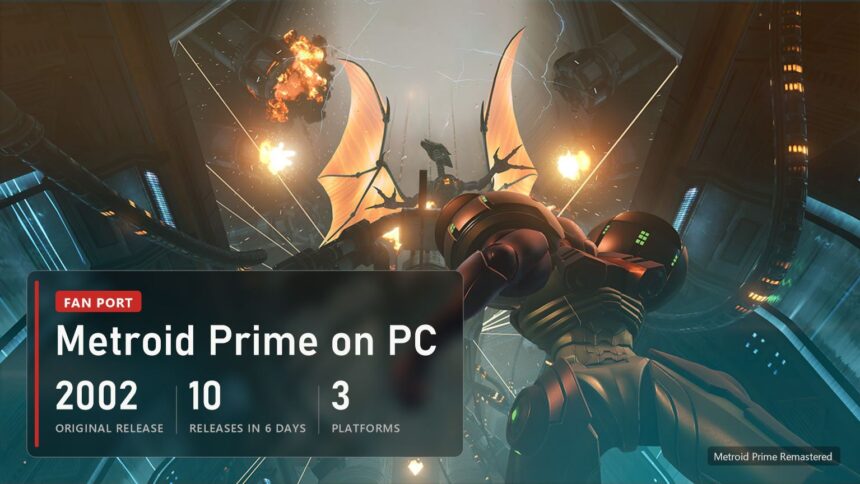
The original 2002 Metroid Prime from the GameCube is now a native game on PC and Android. The fan project MetroidPrimePort isn't an emulator: it's built on PrimeDecomp, a decompilation that rebuilt the game's code by hand into source form. It runs on Windows, Linux and Android, and ships no game data, so you need your own disc image. And it's moving at a ridiculous pace: ten releases between 4 and 9 October, with today's 0.19.0 adding a built-in randomizer.
What the port does and what you need
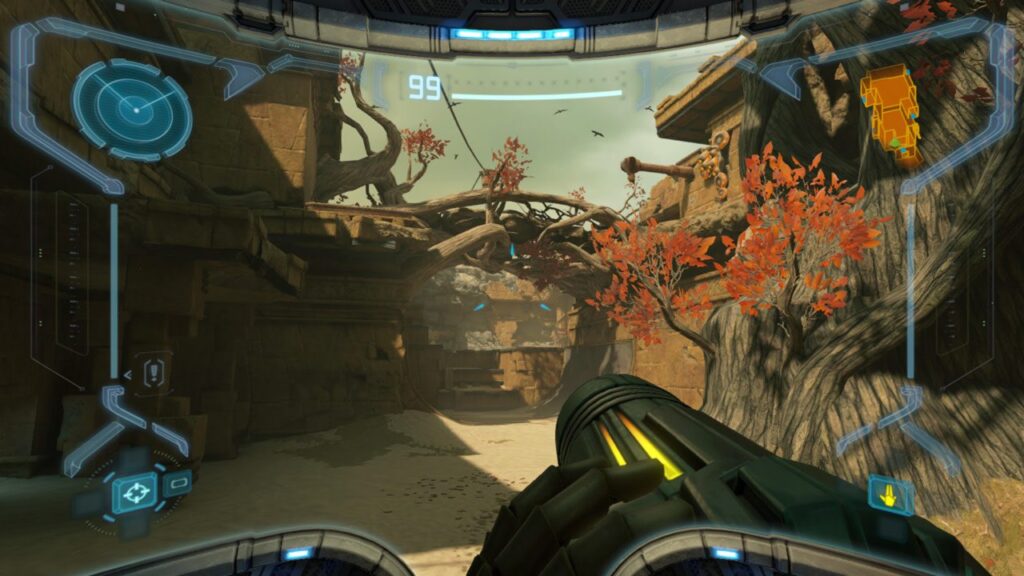
- Visuals. Widescreen with proper cutscene framing even on ultrawide monitors, uncapped presentation over the original fixed-rate simulation, FOV, MSAA, anisotropic filtering and dynamic resolution. Rendering runs through the Aurora engine on SDL3 and WebGPU.
- Controls. Mouse and keyboard, twin-stick, gyro aim, full rebinding, and on Android a touch layout modelled on the GameCube pad.
- Comforts. Eight save-state slots, skippable cutscenes, a speedrun timer, GameCube memory card import, a mods folder with HD textures, and optional tweaks like Fast Morph.
- Randomizer built in since 0.19.0, plus Archipelago multiworld support.
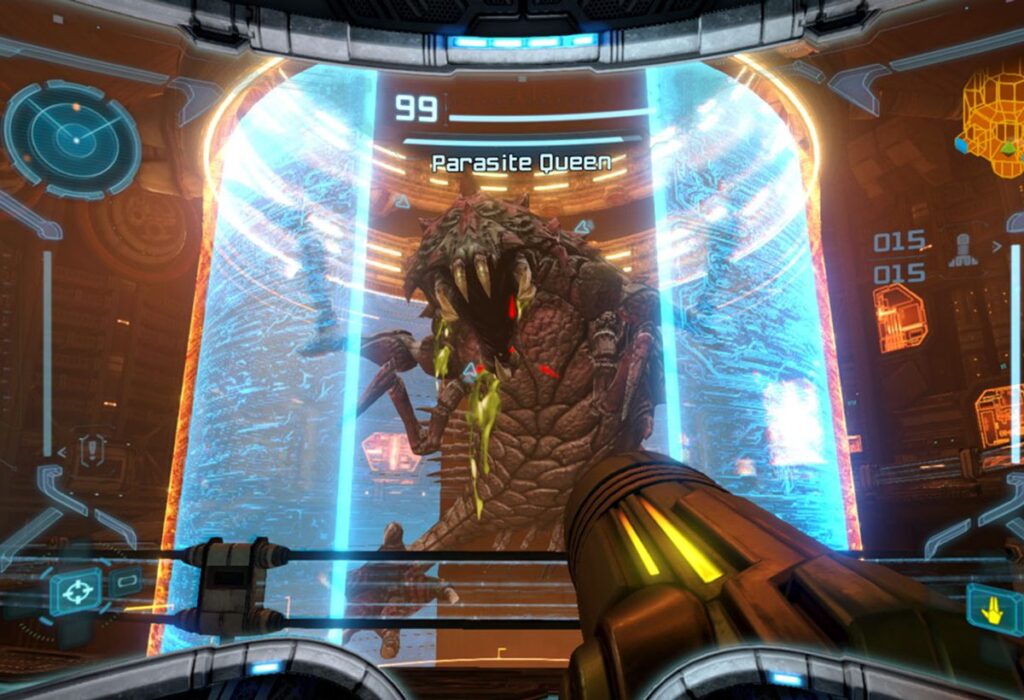
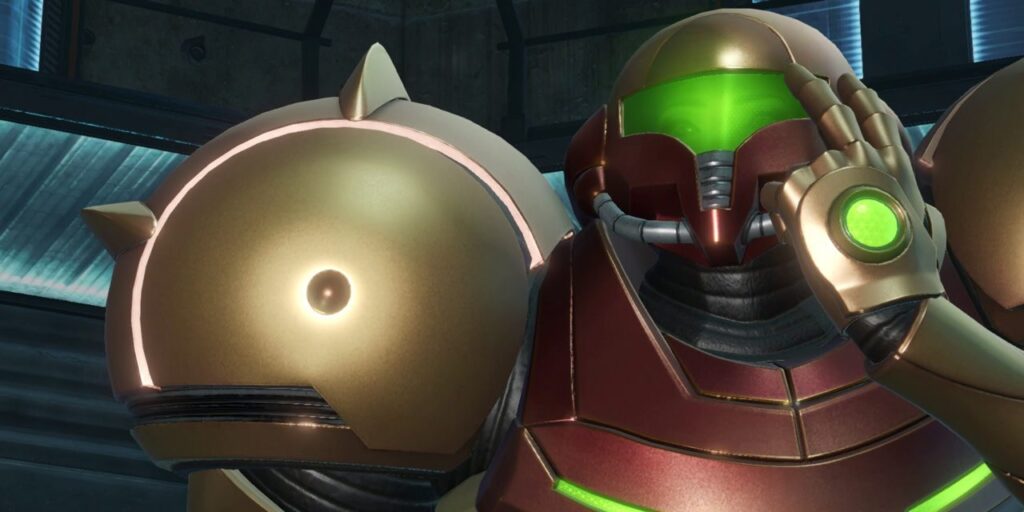
The key requirement is an image of your own disc: USA v1.00 (GM8E01, revision 0), and the README also lists the European GM8P01 with French, German, Spanish and Italian text. Windows needs the Visual C++ runtime, Android needs version 9 or newer. There's also a very experimental import of Metroid Prime Remastered assets, which the author explicitly calls unsupported. The images in this story are official Nintendo screenshots of Remastered; the port itself is built from the GameCube version.
Ten releases in six days
The author, Odrannnn, works at a pace that turns the release notes into a diary. On 4 October, dynamic resolution and elevator speed; on the 5th, volumetric fog and support for older Linux; on the 6th, three releases with reworked touch controls and crash fixes; on the 7th, full-screen display on near-square and tall screens and, per the author, 8 to 27% more FPS on tested phones. Today's 0.19.0 brought the randomizer, turbo fire, update notifications and a software fallback for machines without a usable GPU. The project has 270 stars and over 3,500 commits.
DSOGaming, which broke the story on 8 October, called it a recompilation. Per the README it isn't: it's a decompilation, code rebuilt by hand, the same route that brought Super Mario 64 and The Legend of Zelda: Ocarina of Time to PC. For players the difference is small; for lawyers it matters. The README itself warns that its licence doesn't cover the game code under src and include, which remains Nintendo's. Nintendo hasn't commented on the port.
A week of fan ports
Metroid Prime landed in an odd week: these projects are arriving one after another. On 7 October a native port of Kojima's P.T. came out, Bloodborne around the same days, the arcade Virtua Fighter on 8 October, and on 9 October DSOGaming showed a first look at a native Super Mario Odyssey port. How these projects work, and how recompilation differs from decompilation, is in our piece on unofficial Xbox 360 and PS3 ports.

Sources
MetroidPrimePort README, release notes for 0.10.1 to 0.19.0, 04.10 to 09.10.2026. DSOGaming, John Papadopoulos, 08.10.2026. DSOGaming on the Super Mario Odyssey port, 09.10.2026. Metroid Prime Remastered screenshots from the game's page on nintendo.com.