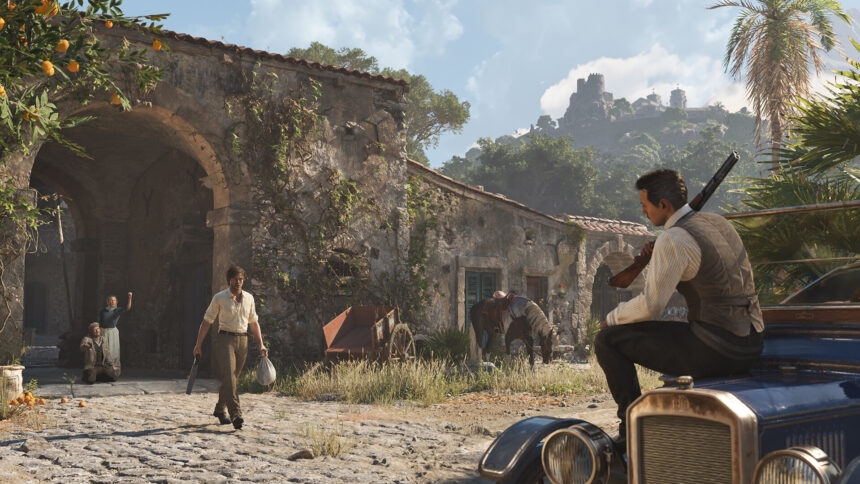
Hangar 13 released Mafia: The Old Country on 8 August 2025 and did what nobody expected from the series. The player is taken out of neon America and dropped into early twentieth century Sicily, and the hero is Enzo Favara, an orphan who spent eleven years in the sulphur mines of Collezolfo.
- Carusi: how the game opens and what that childhood actually was
- The slavery that officially did not exist
- Lemons: the mafia grew out of citrus, not out of honour
- Where the emptiness came from that the mafia filled
- Lupara: the weapon that gave its name to a kind of murder
- Why they left for America
- Where the game does bend the truth
- What is true and what is not
- The verdict
It sounds like a screenwriter inventing a hard childhood for the sake of drama. In fact this is the most documentary part of the game. And, which rarely happens with historical games, the reality was noticeably worse than what they showed.
Carusi: how the game opens and what that childhood actually was
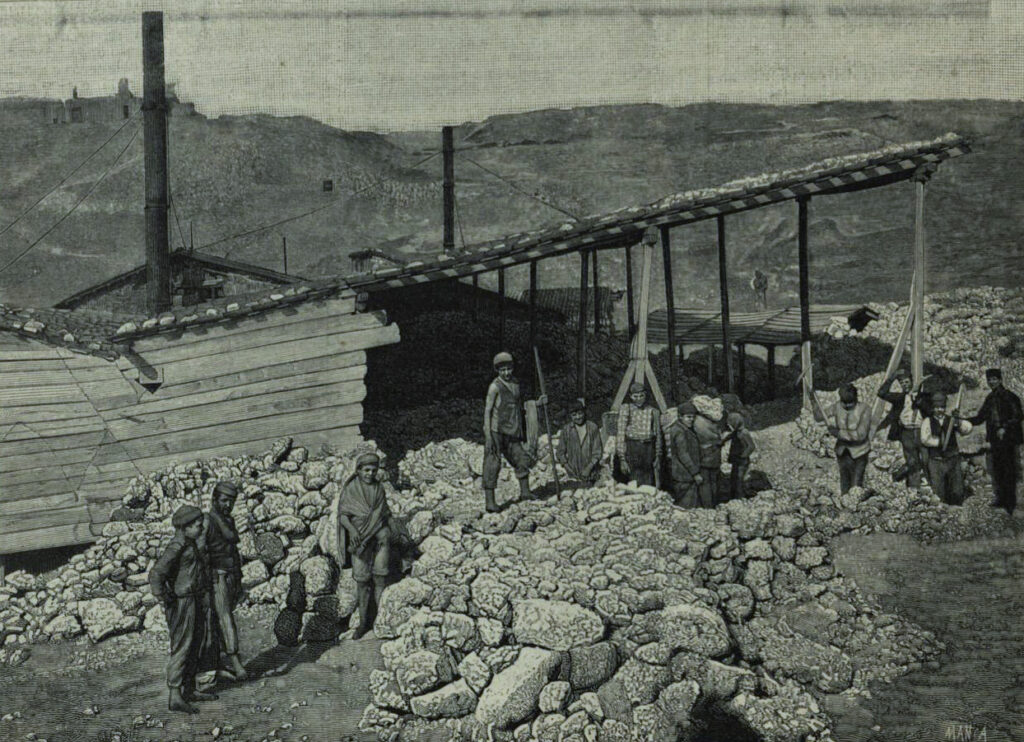
The word the game uses for Enzo is not invented. "Carusu" in Sicilian simply means boy, but in the nineteenth century it became the name of a job: a child hauling sulphur ore from the face up to the surface.
The numbers behind it are worth reading slowly. Children started at eight or nine, some accounts mention four. They carried sacks of 20 to 30 kilograms on their shoulders. A shift could run to ten hours. At the Floristella and Grottacalda mines this went on for decades.
Starting work at eight or nine, they commonly have shoulders bent by exhaustion, crooked teeth, eyes sunken from hunger and foreheads cut by premature wrinkles.
In 1912 Booker T. Washington, the American educator who had himself worked as a boy in the mines of West Virginia, travelled through Europe and wrote "The Man Farthest Down". He described the Sicilian sulphur pits as the worst thing he had seen.
Where the game softens things. Enzo comes out of the mine a fit young man who can fight and run across rooftops. A real carusu was an invalid with a deformed spine by twenty, if he lived that long.
The slavery that officially did not exist
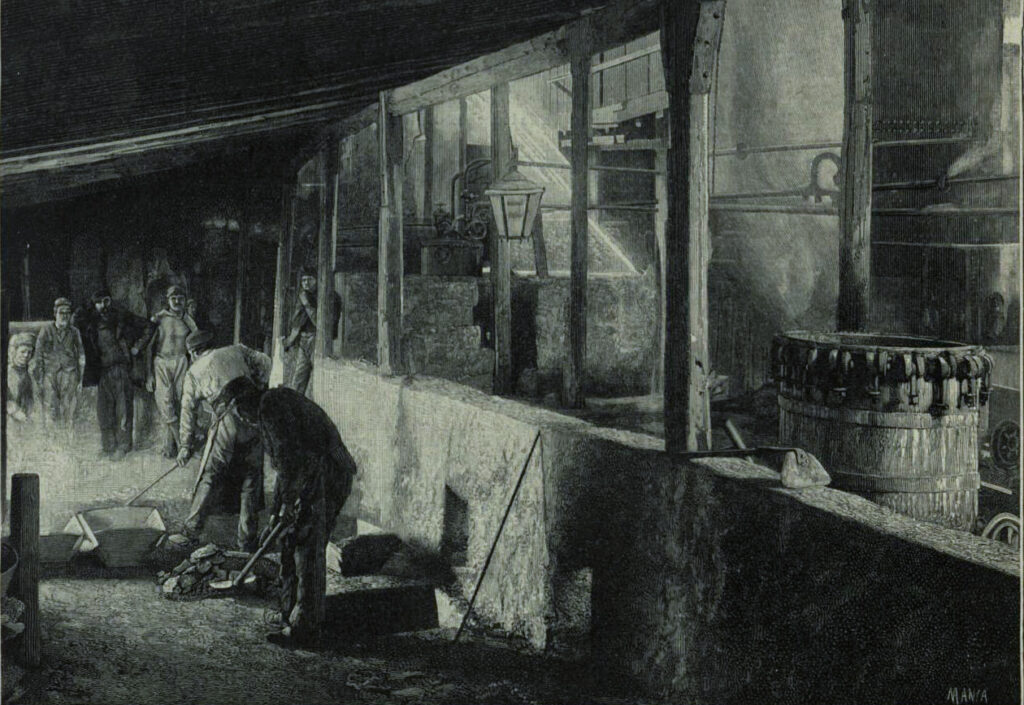
Here begins the ugliest part, and it is the detail the game walks around.
The system was called soccorso morto, "dead help". A destitute family took money from a miner in advance and handed over a child in return. The debt was worked off, but interest and the price of food grew faster than the boy could earn. In practice he stayed in the mine for years, sometimes for good.
Why the help was called dead. Once the money was taken, the family lost any right to complain. If the child died in the mine the owner bore no responsibility. Legally there was no slavery in unified Italy. In practice a child was sold, and both sides understood it.
Lemons: the mafia grew out of citrus, not out of honour
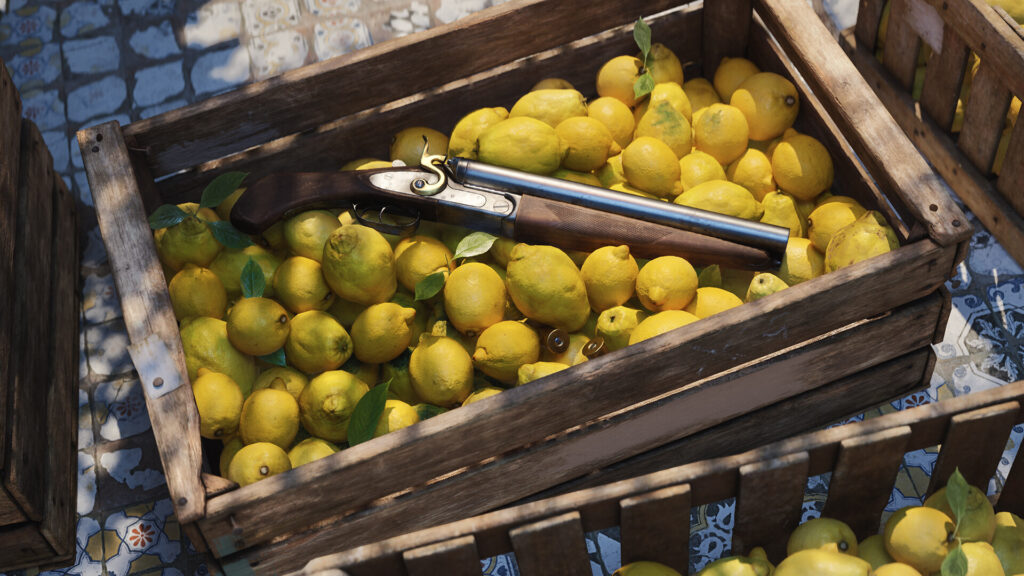
The romantic version of the mafia origin story speaks of a secret brotherhood defending peasants from outsiders. Economic history gives a different answer, and gives it with evidence.
In 2017 the Journal of Economic History published a paper by Dimico, Isopi and Olsson with a telling title, "Origins of the Sicilian Mafia: The Market for Lemons". The authors took data from the Damiani parliamentary inquiry of 1881 to 1886, town by town across Sicily, and matched mafia presence against what those towns grew.
The core finding. Mafia presence in the 1880s tracks citrus growing and nothing else. Wheat, olives, grapes, even sulphur show no such link.
Why lemons in particular
The reason goes back to the British navy. After James Lind established that citrus cures scurvy, European demand for lemons exploded. Sicily was the main supplier.
What follows is the formula that breeds organised crime anywhere: very high profit plus the absence of a working state. A lemon grove outside Palermo earned more per hectare than almost any other crop in Europe. The harvest was easy to steal, the trees were easy to ruin, and there was no police force to call.
So people appeared who, for a share of the crop, guarded the grove and also decided who could buy it and at what price. That is how middlemen between grower and exporter came about. They were called the mafia.
Where the emptiness came from that the mafia filled
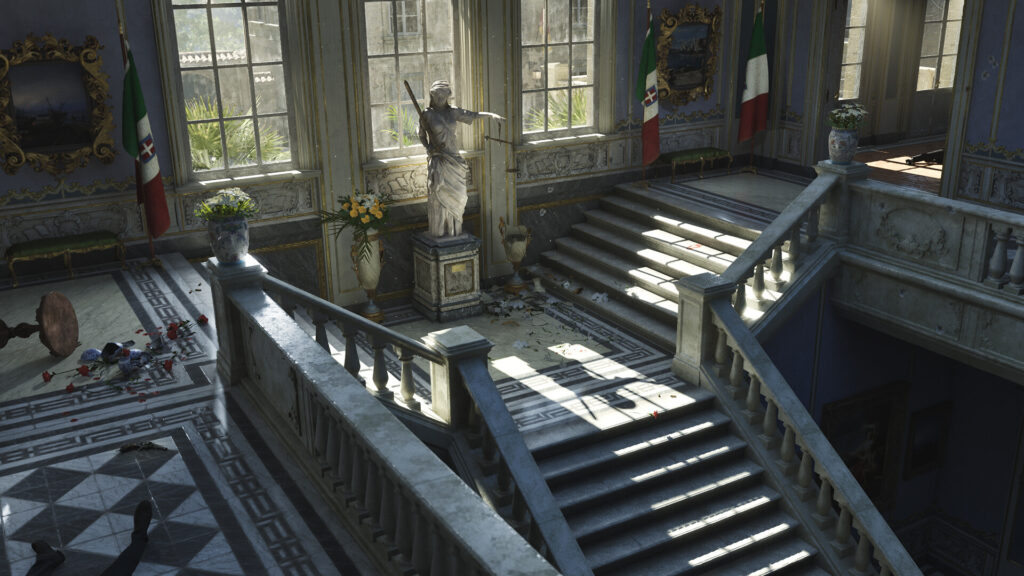
Italy was unified in 1861, and for Sicily that meant swapping one distant master for another. The new state collected taxes and took conscripts, but it supplied neither courts you could trust nor police who would turn up.
The land stayed with barons who often lived in Naples or Rome. Estates were run by leaseholders, the gabellotti, and they hired armed guards. Those guards are where the families grew from.
The historian John Dickie, one of the leading specialists on the subject, calls the sulphur mines a real hotbed of mafia activity. There was a workforce that had to be kept in line, and money that had to be protected.
The game gets this mechanism right. Its mafia are not noble outlaws, they are the people who serve the rich and fleece them at the same time.
Lupara: the weapon that gave its name to a kind of murder
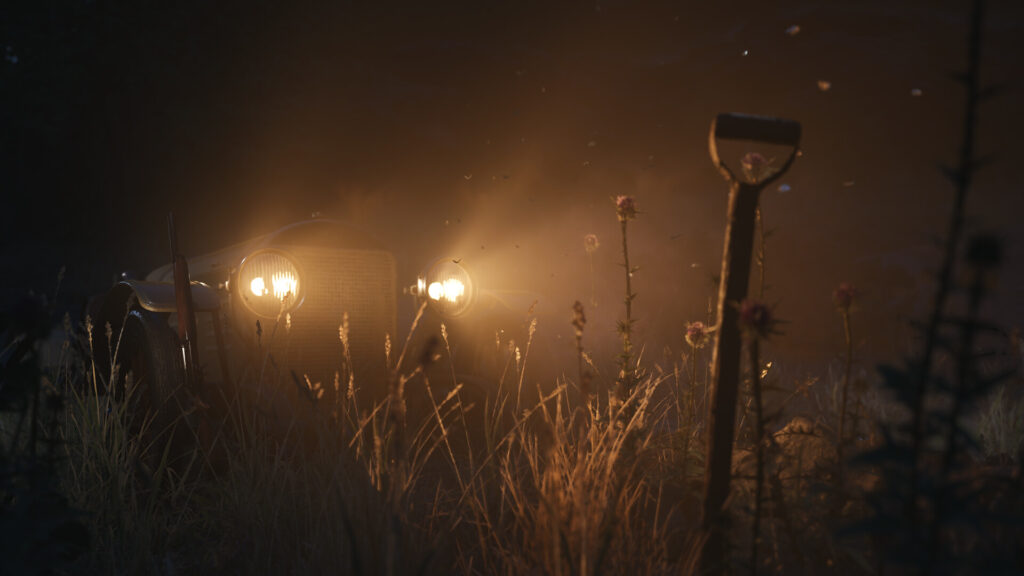
The sawn off shotgun that became the symbol of the Sicilian mafia was called lupara, from lupo, "wolf". It began as a gun for hunting wolves, an ordinary thing in a shepherd household.
The choice is explained by practicality, not by style. Shortened barrels hid under a coat. Heavy shot at close range left no chance and required no marksmanship. And most importantly, every other house had one, so its presence proved nothing.
From the same word comes lupara bianca, "white lupara". That is what they call a killing after which the body is never found. No body, no case.
Why they left for America
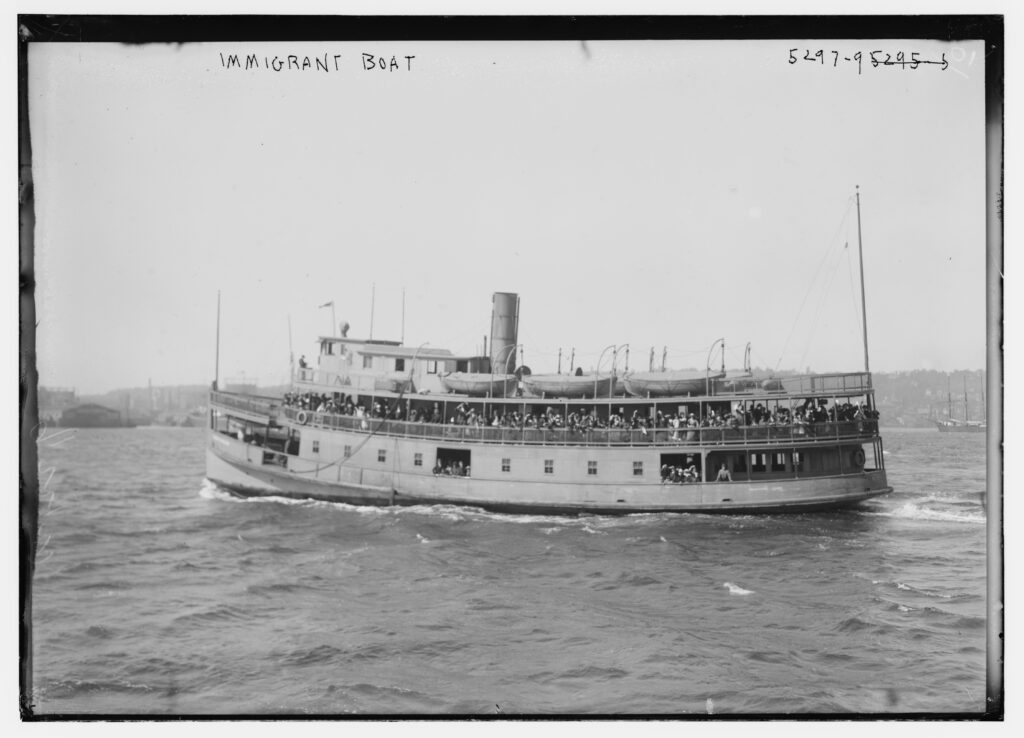
The mass exodus of Italians to the United States, roughly four million people between 1880 and 1920 and overwhelmingly from the south, is usually explained with a single phrase about seeking a better life. The reasons were more specific.
- Taxes of the new state. Unification handed southerners a tax burden designed for the industrial north.
- Land that was never available. Large estates were not broken up, so a peasant could not become an owner.
- The collapse of sulphur. Sicilian sulphur fed the island until the Americans learned to extract it more cheaply. The mines began to close.
- Disease. Malaria in the lowlands and outbreaks of cholera kept lives short.
From here runs a straight line to the rest of the series. Tommy Angelo and Vito Scaletta are the grandchildren of the people who boarded those ships. The Old Country shows what they were leaving.
Where the game does bend the truth

Two things do not survive checking, and both are concessions to gameplay.
The geography is compressed. The fictional Valle Dorata puts Etna next door to the sulphur mines. In reality Etna is on the east coast, while the mines and the main mafia activity sat in the western and central provinces. Half the island lies between them.
There were no cars to be had. In 1907 Italy had roughly one motor vehicle per 5,500 inhabitants. The chases the game is generously stocked with were physically impossible to stage in the Sicily of those years.
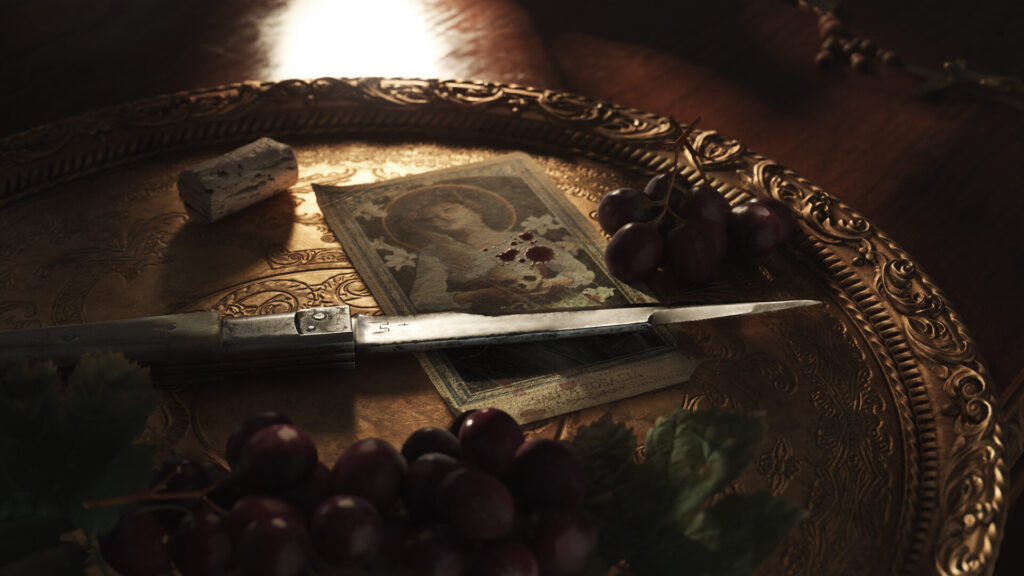
The initiation rite with the cut lip, on the other hand, is not invention. Dickie confirms that this is exactly what they did in Corleone.
What is true and what is not
What the game gets right
- A carusu hero. Children really did work in the sulphur mines, and life there was harder than the game shows.
- Age and weight. From eight years old, sacks of 20 to 30 kg, shifts of up to ten hours.
- Mafia and mines. Historians call the sulphur pits a hotbed of mafia activity in so many words.
- The cut lip. That initiation rite really was practised in Corleone.
- The vacuum after unification. The state never reached the island, and the mafia took the place of the law.
Where the game parts with history
- Debt bondage. Soccorso morto was widespread, yet the game barely shows it.
- Lemons. Citrus gave the mafia its first money, and in the game it sits in the background.
- Etna. The game has it looming over the mines, in reality these are opposite ends of the island.
- Car chases. In 1907 Sicily had about one car for every 5,500 people.
The verdict
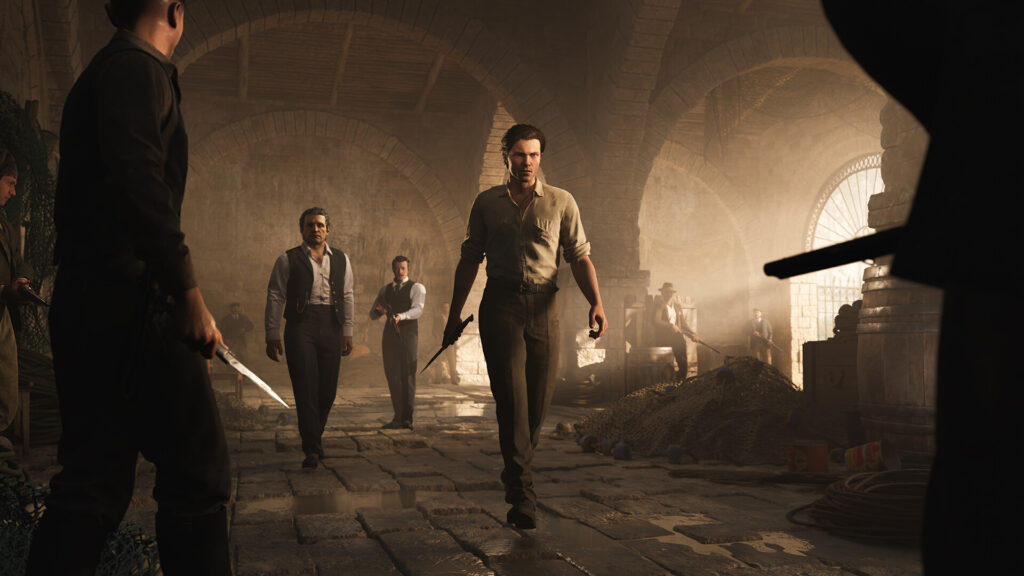
Mafia: The Old Country is the rare case of a historical game that gets details wrong and the substance right. Compressed geography and surplus cars are forgivable, without them there would be no game.
At its core it is honest. The mafia here is not a brotherhood with a code, it is a business built on other people's defencelessness. The children in the mines are not scenery for a dramatic prologue, they are the thing that business stood on.
The one serious complaint. The game turned out kinder than the sources. The real Sicily of the 1900s would have given Enzo neither health nor a chance.
Sources and what this article is based on
- Dimico, Isopi, Olsson. "Origins of the Sicilian Mafia: The Market for Lemons". The Journal of Economic History, 2017
- Booker T. Washington. "The Man Farthest Down: A Record of Observation and Study in Europe", 1912, full text at Project Gutenberg
- Material from The Mob Museum on Hangar 13 working with historical consultants, with comments by the historian John Dickie
- The Damiani parliamentary inquiry into Sicily, 1881 to 1886