
AMD put out Adrenalin Edition 26.9.1 on 3 September. It is a short release: one fix, two new games added to support, and four known issues. Which means the notes list more problems than repairs, and this is the case where the problems are the part worth reading.
Here is who should install it today, who should wait, and what to check the moment it is installed.
What got fixed: crashes in Starfield and Apex Legends
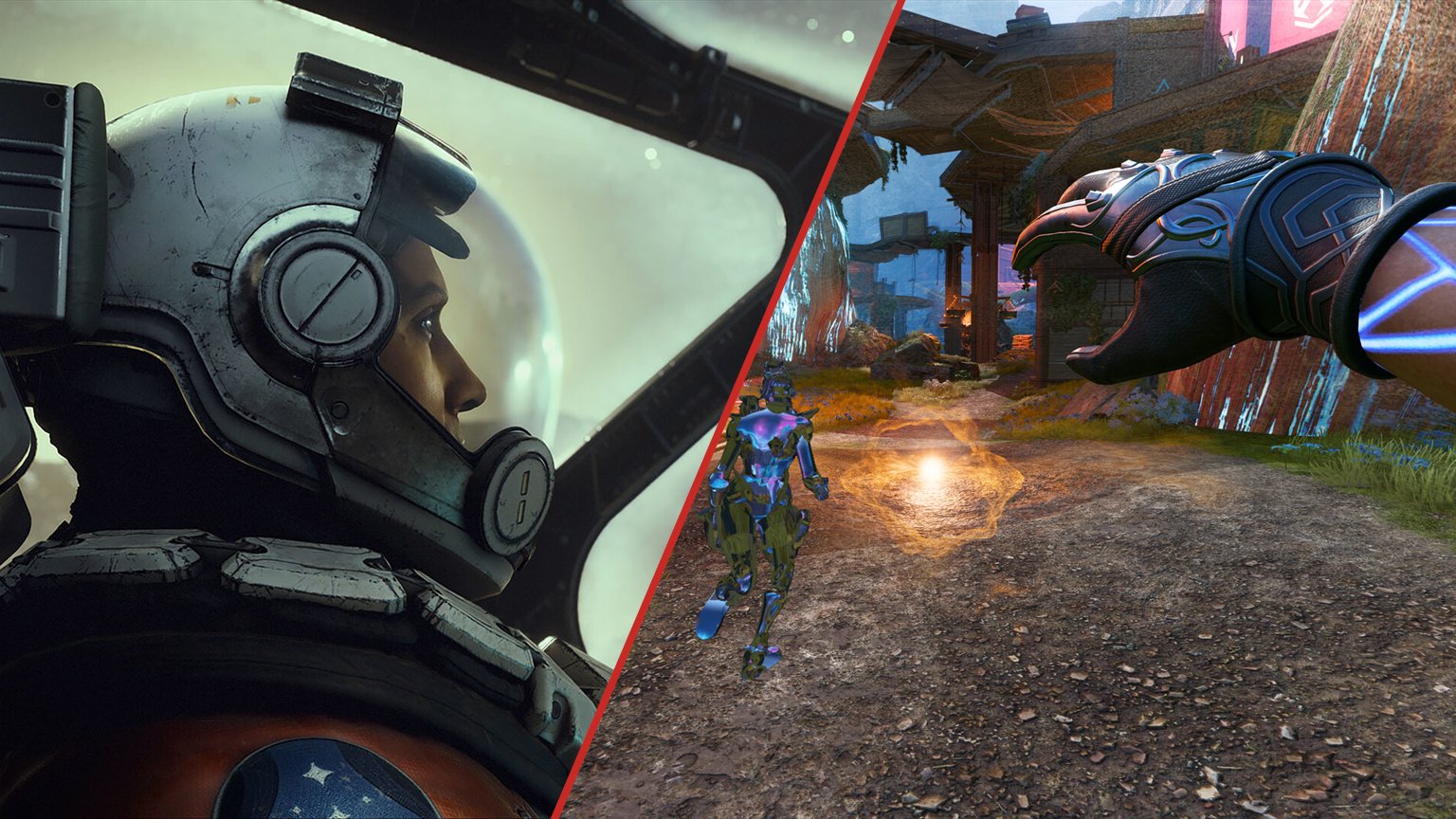
There is exactly one fix, and it is a real one. AMD's wording: an intermittent game crash may be observed while playing Starfield and Apex Legends on Radeon RX 9000 series graphics products.
That is RDNA 4, the newest thing AMD sells: the RX 9070, 9060 and 9050. Crashes in two very popular games on the current flagship line had been going on for months, so owners of those cards want this release, and it is the only reason to hurry.
On every older generation, from the RX 5000 to the RX 7000, nothing changes in this release at all. If you are on one of those and playing happily, there is no reason to update today.
What was added to support
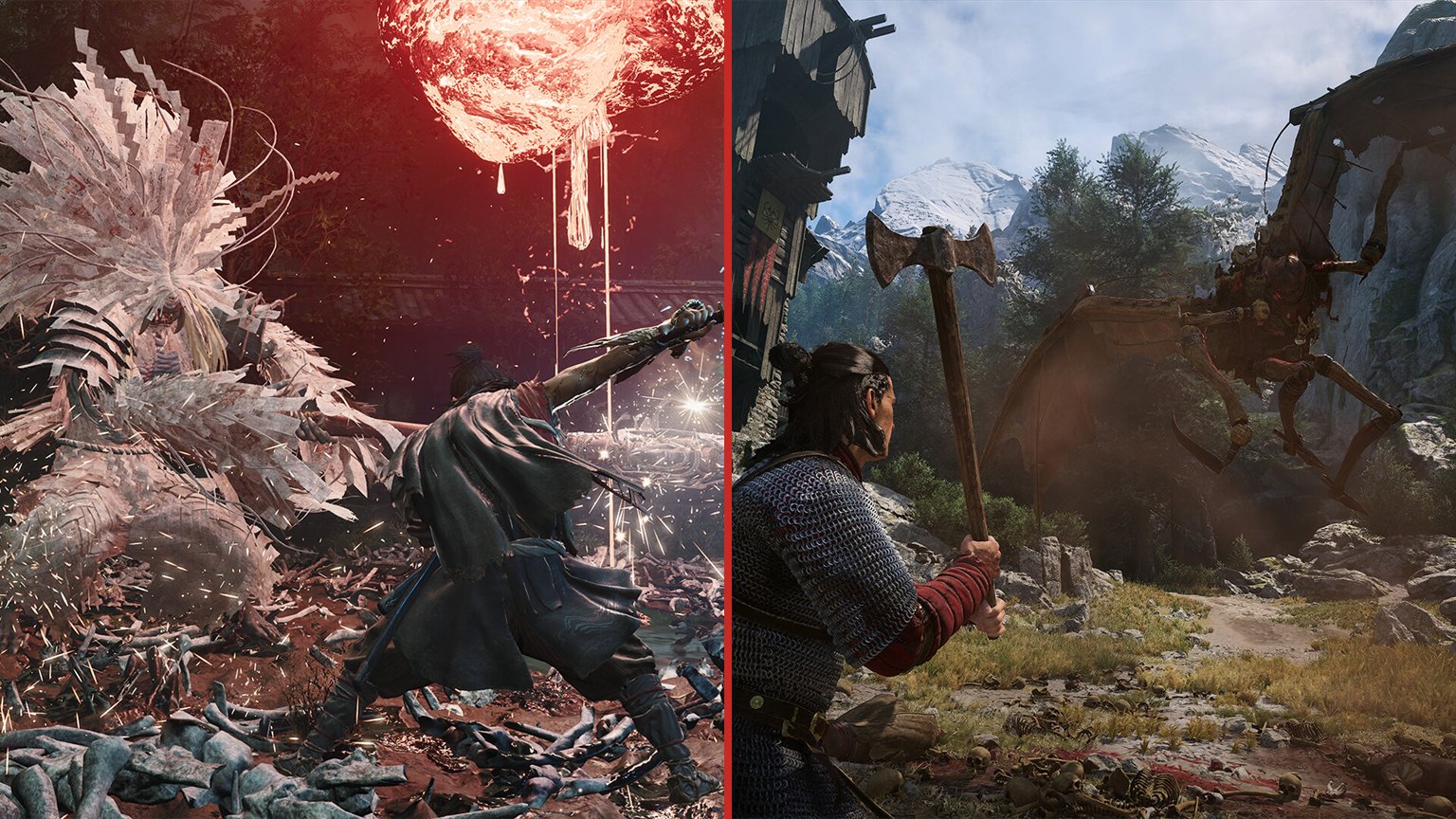
Two games: Onimusha: Way of the Sword and The Blood of Dawnwalker. Both recent, both exactly the sort of release a driver normally ships alongside.
We went through The Blood of Dawnwalker's requirements separately, with the full table including the video memory column that write-ups keep losing.
There are more known issues than fixes

This part of the notes is the most interesting one, and it is usually the part nobody repeats.
- Installation can fail on the AI Bundle components. AMD says it plainly: in regions with limited access to HuggingFace and GitHub, installing those components may fail. The driver pulls part of itself from the internet, and if that route is blocked the installer trips over it.
- Smart Access Memory may switch itself off on Windows 10. After the driver is installed. Silently. That is the feature giving the processor access to all of the video memory at once, and losing it costs frames.
- Anti-Lag 2 shows as inactive after disabling frame generation in Resonance: A Plague Tale Legacy.
- Cyberpunk 2077 and 4 GB cards. AMD reminds everyone the game recommends a minimum of 6 GB of video memory, and advises RX 9050 4GB owners to set graphics intensive features to low or off.
Of those four, the second one is what actually costs you frames. Smart Access Memory turns off without a single message, and you only notice it as a performance drop a week later. Check it straight after installing: the Performance section of the Adrenalin app, then Tuning, where the Smart Access Memory line lives. It works in tandem with Above 4G Decoding and Resizable BAR in the motherboard BIOS.
The first point deserves its own line. The AI Bundle is the part of the installer that pulls down components for local neural network features. With no access to HuggingFace and GitHub the installation can stall right there, and it will look like a broken driver rather than a network problem.

This is Optional, not WHQL, and here is what that changes

The word Optional is in the title of the release notes. It means the build did not go through Microsoft certification: AMD tested it itself and shipped it without waiting for anyone else's signature.
The practical difference is small but real. Optional builds arrive faster and more often, WHQL ones less often and after an extra round of checking. Neither guarantees anything will work on your machine: the recent NVIDIA episode, where a certified WHQL driver was pulled within hours over fan control, shows what that signature is worth fairly clearly.
AMD also repeats that rolling back to a previous version should be done with the AMD Cleanup Utility rather than installing over the top. Old advice, but it is in these particular notes for a reason, given the Smart Access Memory business above.
Who is not on the compatibility list

The supported list is broad: RX 9070, 9060 and 9050, the whole RX 7000, RX 6000 and RX 5000 ranges, the professional Radeon PRO cards and the mobile variants, plus the integrated graphics inside Ryzen processors.
But two lines at the end of the notes are worth reading, because they cut out entire classes of device.
- Handheld consoles are not supported at all. AMD states it directly: Adrenalin does not include support for handheld gaming devices, and users should get drivers from the manufacturer. That covers every handheld running an AMD chip, which is nearly all of them.
- Laptops and all-in-ones: AMD recommends the vendor's driver. The build from AMD's own site is a reference driver with limited support for a specific model's features. If something breaks after installing it, the manufacturer's own package is the fix.
The short version. RX 9000 owners who were catching crashes in Starfield or Apex Legends should install it today. For everyone else this release offers nothing beyond support for two new games and can safely wait for next week. And if things play noticeably worse after installing, look at Smart Access Memory first rather than reinstalling the driver in circles.
Sources
Everything in this release comes from AMD's official notes for the Adrenalin Edition 26.9.1 driver, article number RN-RAD-WIN-26-9-1 on amd.com, last updated 3 September 2026. The same page carries the list of supported graphics cards, the lines about handheld devices and laptops, the recommendation to use the AMD Cleanup Utility when rolling back, and all four known issues in their exact wording. The explanation of Smart Access Memory and its relationship to Resizable BAR and Above 4G Decoding is ours. The Optional label is in the title of AMD's own notes.